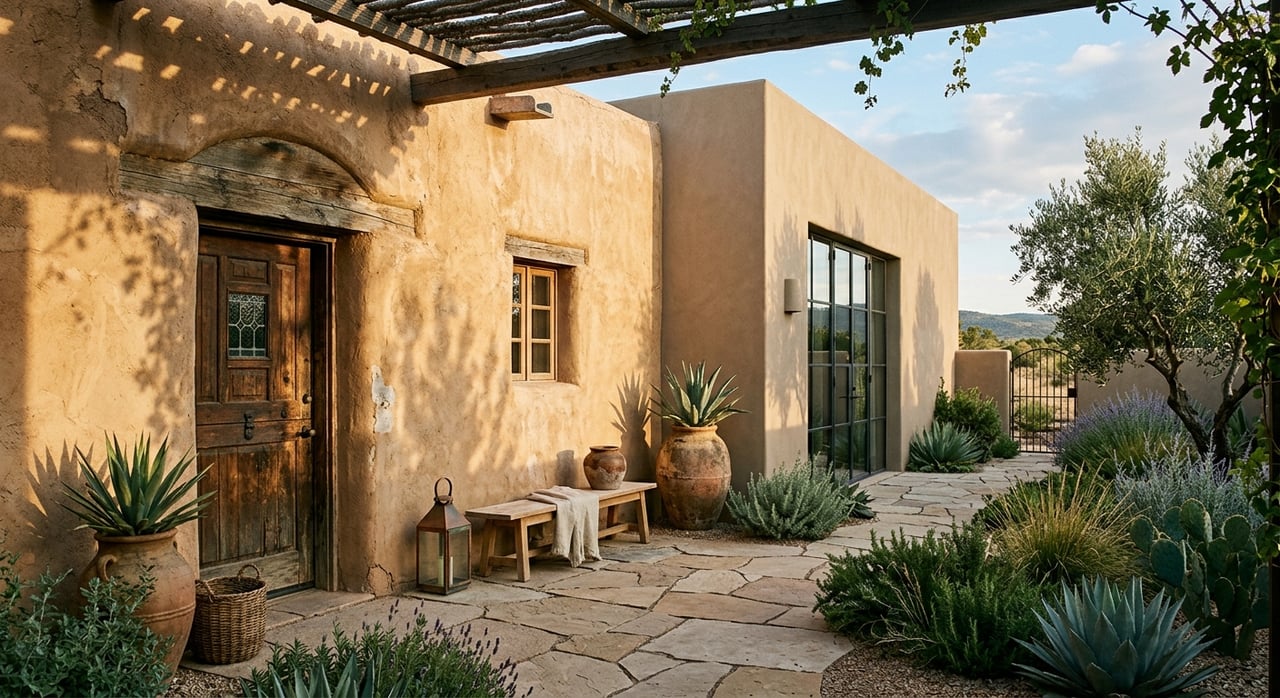
If you own or are considering a property in Santa Fe’s Historic Eastside, the question is rarely as simple as remodel versus new build. In this part of town, design ambition meets a detailed preservation framework, and what looks straightforward on paper can shift once historic status, lot conditions, and review requirements come into focus. Understanding those moving parts early can help you make a smarter decision, protect your timeline, and avoid costly surprises. Let’s dive in.
Why Historic Eastside is different
On the Historic Eastside, exterior work is not just a construction question. It also falls under Santa Fe’s Downtown and Eastside Historic District framework, with review handled through the Historic Preservation Division and, in some cases, the Historic Districts Review Board.
That means your first step is often confirming the parcel’s district boundaries and the building’s status before you decide what is possible. A property may look like a candidate for a simple expansion or replacement, but the city’s historic review standards can shape everything from massing and materials to rooftop elements and site walls.
What the city reviews
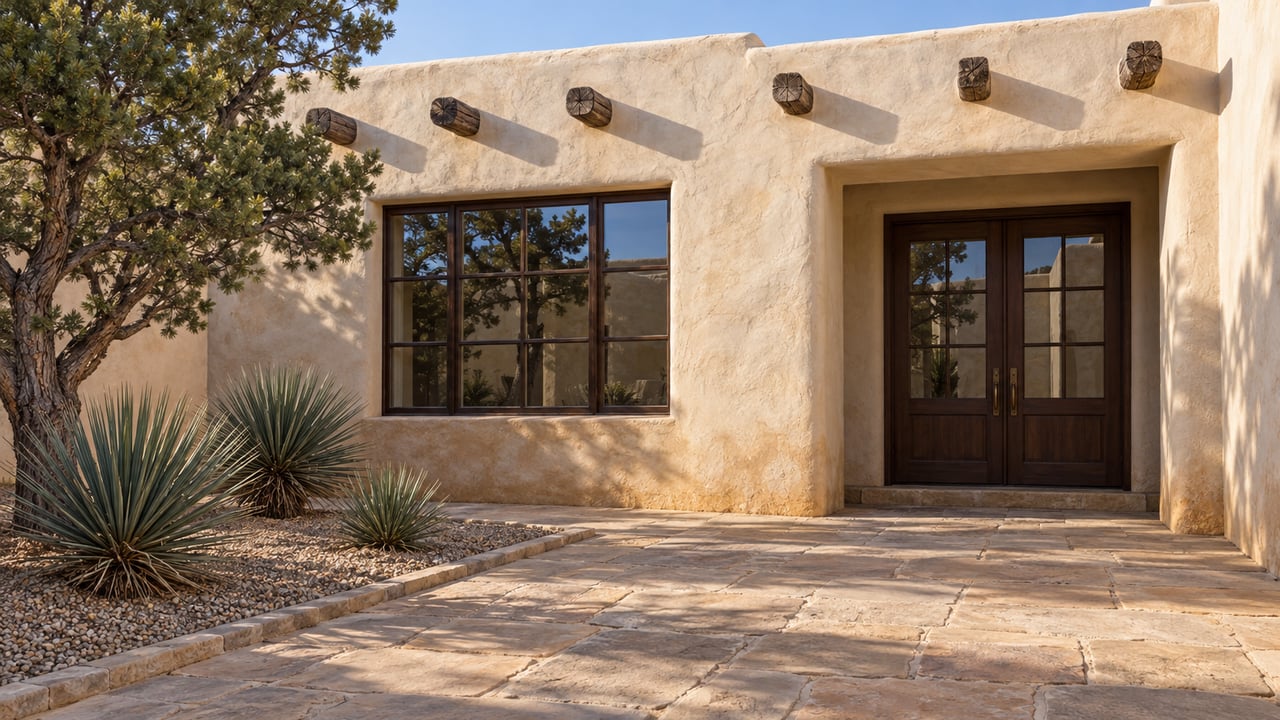
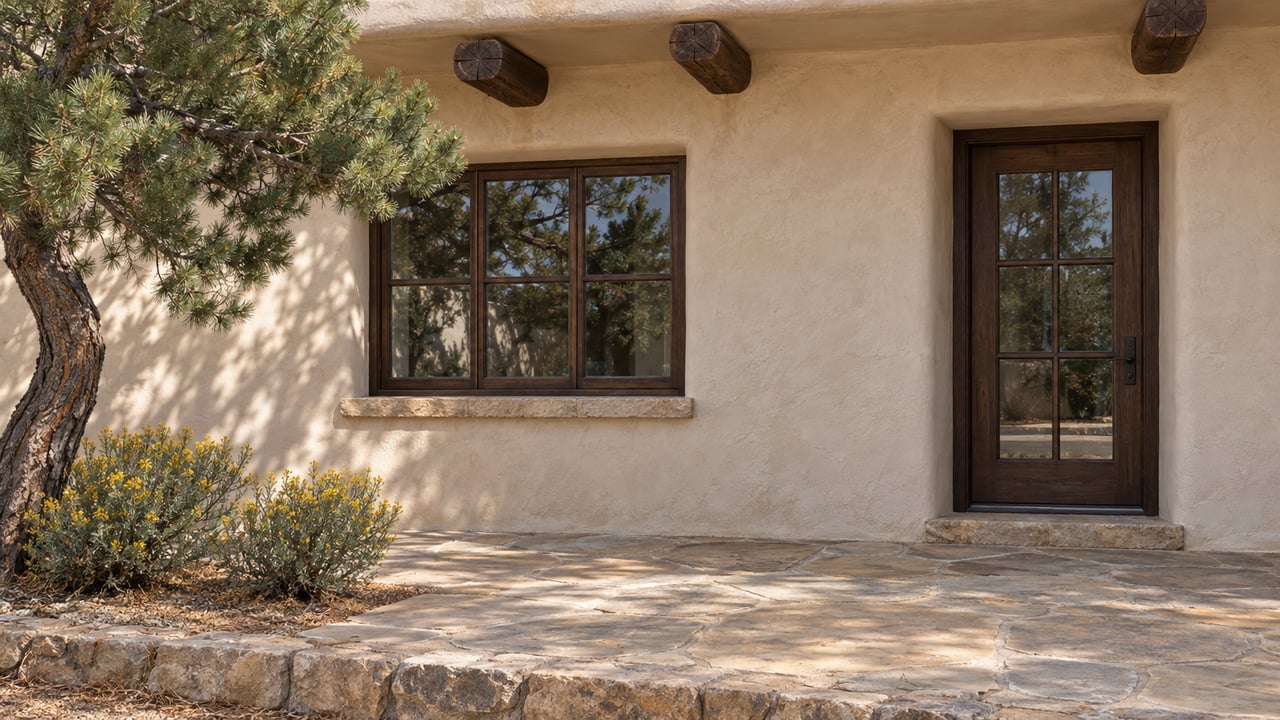
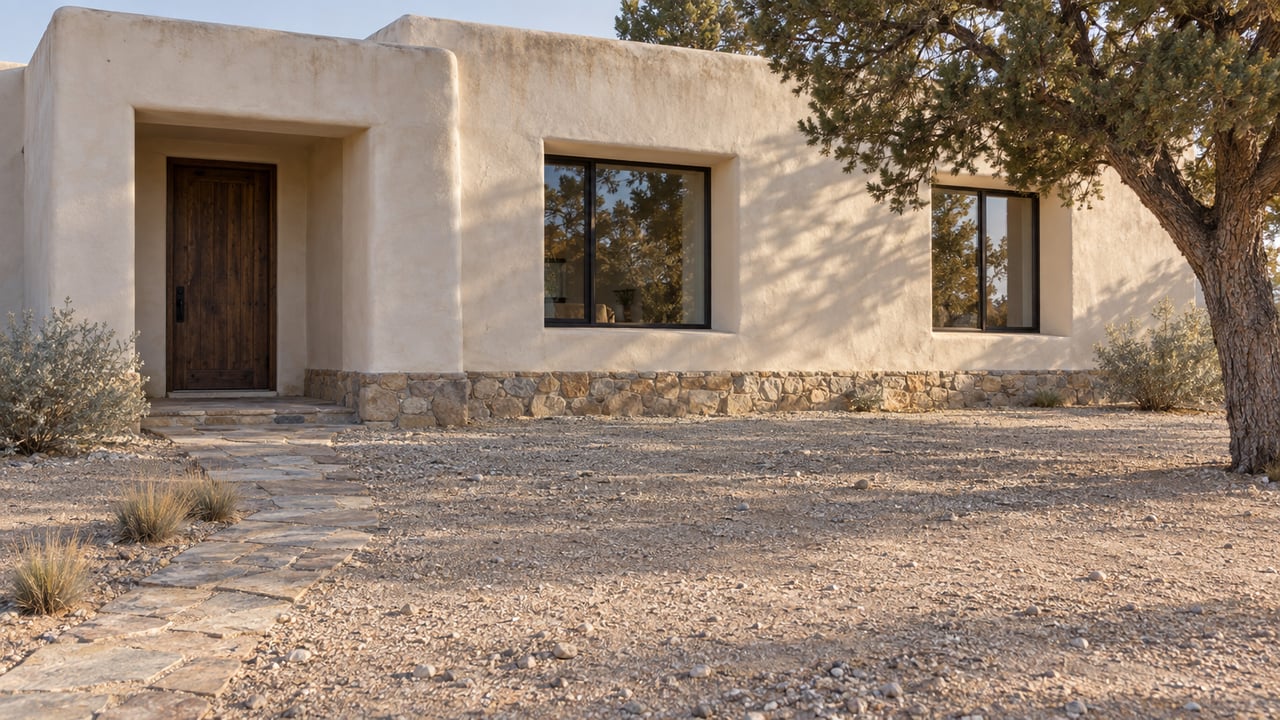
Santa Fe’s standards are highly visual and highly specific. In the Downtown and Eastside district, the city distinguishes between Old Santa Fe Style and Recent Santa Fe Style, and it expects exterior finishes, colors, and materials to remain compatible with the district.
For example, exterior walls should generally be one color in earth tones with a matte or dull finish and relatively smooth texture. The handbook also states that at least 80% of a facade should use mud plaster or stucco, with only limited secondary materials on the balance.
Site design matters too. Visible walls and fences are generally expected to use traditional materials such as adobe, brick, rock, masonry, wood, coyote fencing, wrought iron, or slump block, while chain link and exposed concrete block are not allowed where visible from the street.
Start with the right feasibility questions
Before you choose a path, it helps to sort the property into one of three categories: a preservation project, a limited-addition project, or a higher-uncertainty rebuild candidate. That distinction often matters more than your initial design preference.
A few early questions can clarify the picture:
- Is the existing structure contributing, significant, landmarked, or noncontributing?
- Is the parcel a legal lot of record under current city rules?
- Is the property part of a historic compound?
- Could excavation trigger archaeological review?
- How much of the existing building fabric can realistically remain?
These questions affect cost, timing, and resale appeal because unresolved approvals can add uncertainty for both current owners and future buyers.
Remodel: Often the lower-friction option
For many Historic Eastside properties, remodeling is the most workable path, especially when the project stays largely within the existing envelope or focuses on secondary elevations. In practical terms, that can mean fewer design conflicts and a smoother review process.
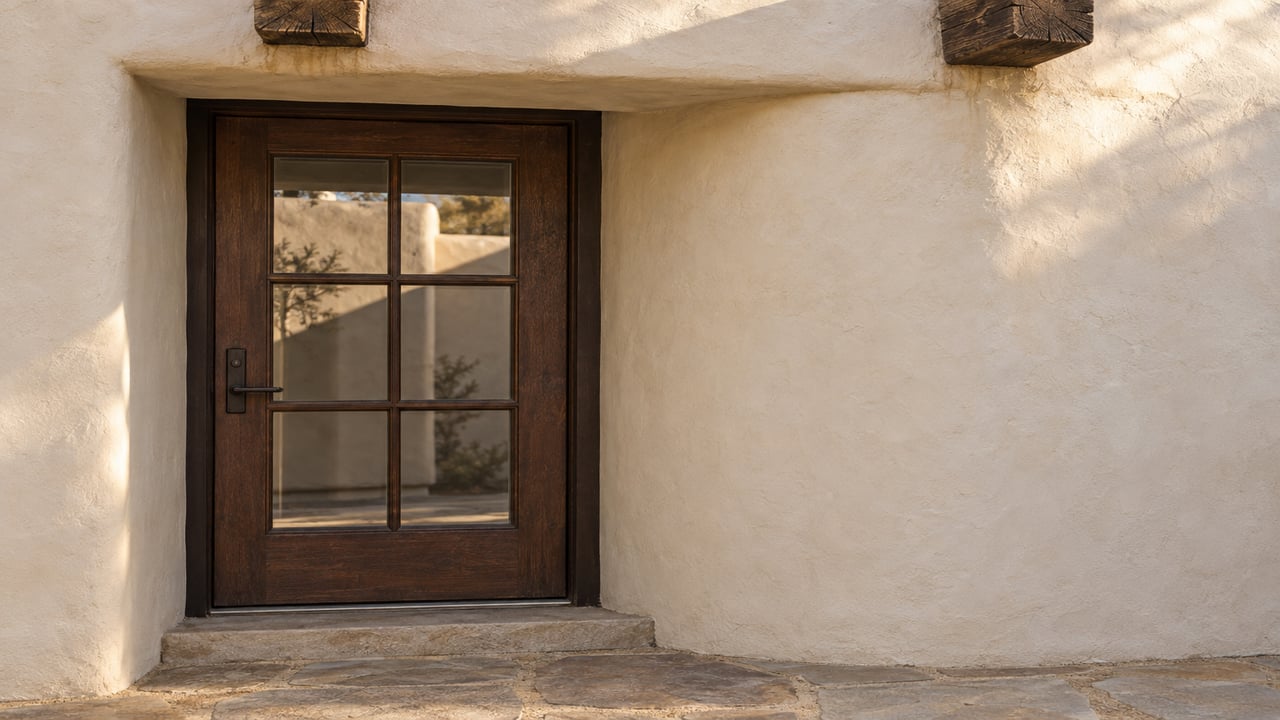
This is especially true for contributing structures. The city’s handbook says historic windows on primary facades should be repaired or restored when possible, and if replacement is unavoidable, the replacement should match the original size, style, and material. Openings generally may not be widened or narrowed.
Remodel limits to keep in mind
Even a modest remodel can run into hidden constraints. One of the biggest is rooftop visibility.
For contributing structures in the Downtown and Eastside district, publicly visible rooftop appurtenances such as solar collectors, clerestories, decks, or mechanical equipment cannot be added without an exception. Existing porches or portales also cannot be enclosed.
That matters because many owners assume they can modernize a roofline or capture more usable space with rooftop features. On the Historic Eastside, those moves may be restricted even when the overall scope feels small.
Addition: Possible, but tightly controlled
If you need more square footage, an addition may be possible, but the rules are narrow. Additions are not permitted on primary facades, which immediately limits where growth can happen.
Side additions must be set back at least 10 feet from the primary facade. They also may not exceed 50% of the existing footprint or 50% of the primary facade dimension, and they should attach to any noncontributing portion before attaching to a significant or contributing portion if that is architecturally practical.
Height and placement matter
Height is another major consideration. For contributing structures, the code generally limits an addition to no more than one additional story, and two-story additions are preferably located toward the rear or side-rear.
On sloping sites, some added height may be allowed when the natural grade difference exceeds 2 feet, but that still depends on city review standards. In other words, a site with topographic variation may offer more flexibility, though not a free pass.
Build new on an old lot: More uncertainty than many expect
Building new on an older Historic Eastside lot can be appealing, especially when the land seems underbuilt or the existing improvements feel functionally outdated. But this route usually carries the most uncertainty.
One issue is the legal lot of record. The city notes that pre-code lots may be legally nonconforming, and any new development must meet current code standards without increasing or expanding existing nonconformities.
Another issue is neighborhood context. In the historic district, height is evaluated using a 600-foot streetscape segment, and vacant lots are excluded from the height average. That means the apparent buildability of a parcel can change based on the surrounding block’s existing form and scale.
Historic compounds can narrow options further
If the property is part of an historic compound, the rules become even more exacting. The city defines an historic compound as a group of at least three historically, physically, and or spatially related buildings, with at least 50% designated contributing, significant, or landmark.
In that setting, changes that significantly alter the compound’s historic or spatial character, or that cause a resource to lose its status, are denied. New construction must be visually distinct from but compatible with the historic architecture, and it cannot damage or obscure character-defining features such as courtyards, roads, walls, paths, fountains, curbing, or vegetation.
The code also limits the approved total footprint of new free-standing construction to no more than 50% of the combined historic footprint. For buyers evaluating a so-called build opportunity, that is a crucial detail.
Demolition is not a shortcut
Some owners assume demolition clears the way for a simpler new-build process. In the Historic Eastside, that is not how the process works.
Requests to demolish historic or landmark structures follow separate procedures and require specific reports. If there is disagreement, the city code points to a state demolition-dispute process, which can add another layer of complexity.
In short, teardown value is not automatic here. A parcel that appears to support a fresh start may still face meaningful review risk.
Permits, review path, and timing
Most projects begin with a Historic Districts Application or a Pre-Application Request. The city assigns a case planner only after it receives a complete submission, and incomplete applications are returned without processing.
If a project requires HDRB review, a Preliminary Zoning Review must come first. The city states that complete PZR requests typically take 5 to 10 business days to process, and the HDRB packet requires detailed site plans, elevations, photos, colors, materials, and square footage information.
Administrative approval versus board review
Minor alterations may be approved administratively. Cases that cannot be approved at the staff level go before the Historic Districts Review Board.
The board meets on alternating Tuesdays at 5:30 p.m. at City Hall. Also important, the city notes that substantial changes after planner review or after the agenda is posted can postpone a hearing, which can affect planning, design coordination, and contractor scheduling.
Fees are part of feasibility
The current fee schedule can also shape the decision between remodeling and building new. According to the city, fees include:
- $75 for a pre-application or onsite visit
- $100 for maintenance-and-repair administrative approval
- $100 for other administrative approval
- 0.05% of construction cost for an HDRB hearing fee, with a $250 minimum and $2,000 maximum
- $250 for an exception request
- $200 for an appeal
- $25 per poster when a hearing notice poster is required
These numbers may not be the largest line item in a project budget, but they are part of the broader cost of uncertainty.
Don’t overlook archaeology and code updates
On some older parcels, ground disturbance may trigger archaeological review. If the lot falls within an archaeological review district, excavation or similar work may require ARC review or archaeological clearance as part of the development and permit process.
Larger projects also need to align with Santa Fe’s broader construction rules. The city applies its Residential Green Building Code to new single-family dwellings, guest houses, additions, and remodels, and adopted codes include the 2021 New Mexico Residential Building Code, Existing Building Code, Energy Conservation Code, and Historic Earthen Buildings Code, along with state and city amendments.
How this can affect resale
Santa Fe’s code states that one purpose of the historic districts is to preserve the city’s harmonious outward appearance, protect property values, and attract tourists and residents. In the market, that often translates into stronger buyer confidence when a property already fits district expectations and has a clear approval history.
By contrast, a property that still needs demolition review, exceptions, archaeological clearance, or a lot-status determination may face a narrower buyer pool or more caution during negotiations. The issue is not just cost. It is the added time and uncertainty that can come with unresolved approvals.
For many owners, the best value comes from choosing the path that matches the parcel instead of fighting it. On the Historic Eastside, a thoughtful remodel or carefully scaled addition is often more predictable than an aggressive rebuild concept.
If you are weighing a remodel, addition, or new build on the Historic Eastside, careful local guidance can make the decision much clearer. The team at Stedman/Kehoe/Hirsch/Pollack offers private, concierge-level insight on Santa Fe’s nuanced micro-markets, including how property character, lot conditions, and review history can shape value and strategy.
FAQs
What makes Historic Eastside remodeling different from remodeling elsewhere in Santa Fe?
- Exterior work in the Historic Eastside is reviewed under Santa Fe’s historic district framework, so design, materials, visibility, and compatibility matter alongside standard building-code requirements.
Can you add square footage to a Historic Eastside home?
- Yes, but additions are tightly controlled. They are not allowed on primary facades, and side additions must meet setback, size, placement, and height standards.
Can you tear down a house and build new on an old lot in the Historic Eastside?
- Sometimes, but demolition and new construction are not simple shortcuts. Historic status, lot legality, compound rules, streetscape height standards, and review requirements can all limit what is possible.
Does a Historic Eastside property need Historic Districts Review Board approval?
- Not always. Minor alterations may be approved administratively, while more substantial projects that do not qualify for staff approval are referred to the Historic Districts Review Board.
Can rooftop decks or visible solar features be added to a contributing Historic Eastside home?
- Publicly visible rooftop appurtenances such as decks, clerestories, solar collectors, or mechanical equipment cannot be added to contributing Downtown and Eastside structures without an exception.
Why does legal lot of record status matter for an older Santa Fe parcel?
- The city says pre-code lots may be legally nonconforming, and new development must meet current standards without increasing or expanding existing nonconformities.
Could archaeology affect a Historic Eastside build or addition project?
- Yes. If a parcel is within an archaeological review district, excavation or other ground disturbance may require archaeological review or clearance as part of the permit process.