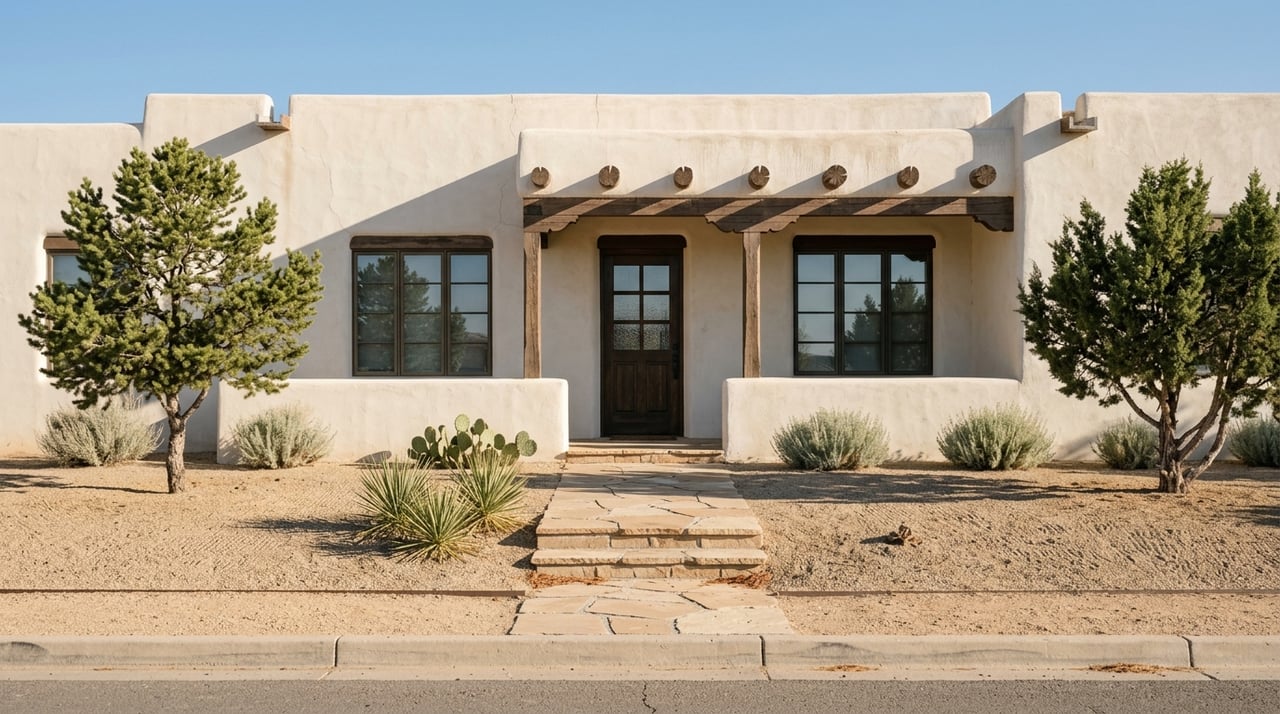
If you are thinking about selling a historic East Side home, timing is about much more than picking a week to go live. In this part of Santa Fe, your sale sits at the intersection of historic-district rules, destination-buyer demand, and a seasonal tourism calendar that can affect how many qualified buyers see your home. The good news is that with the right preparation, pricing, and presentation, you can time your launch more strategically. Let’s dive in.
Why timing matters on the Historic East Side
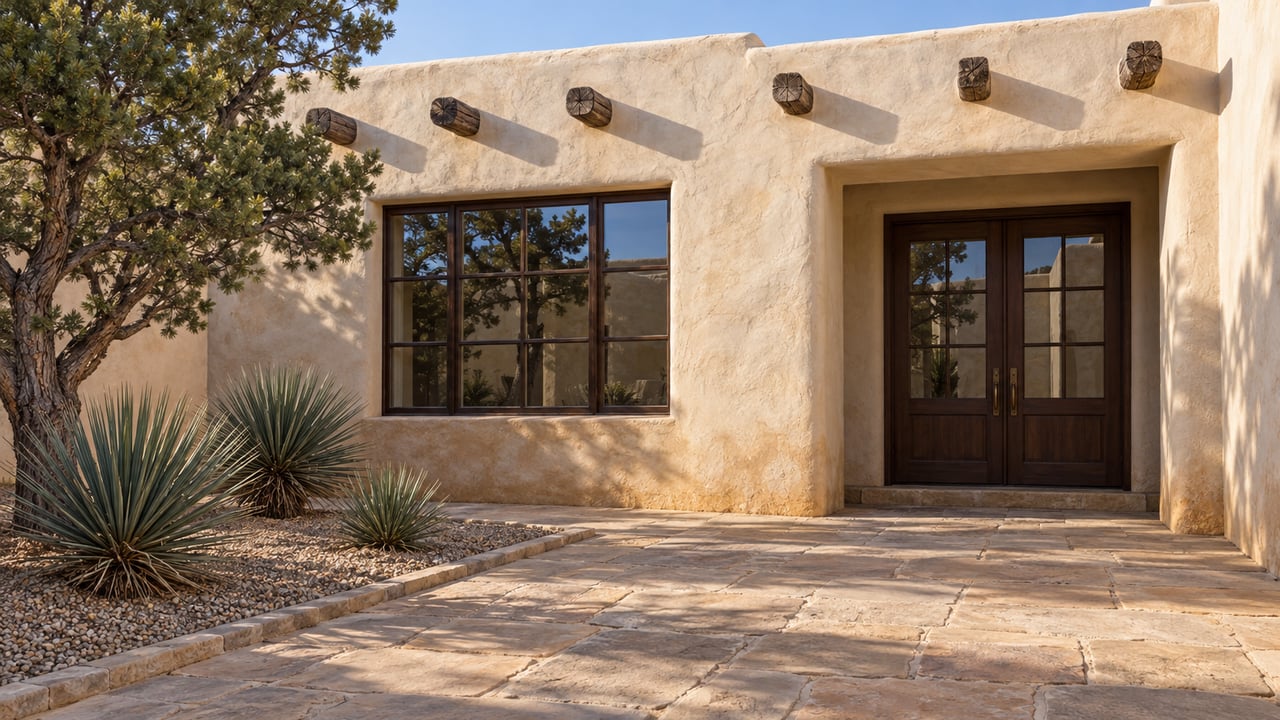
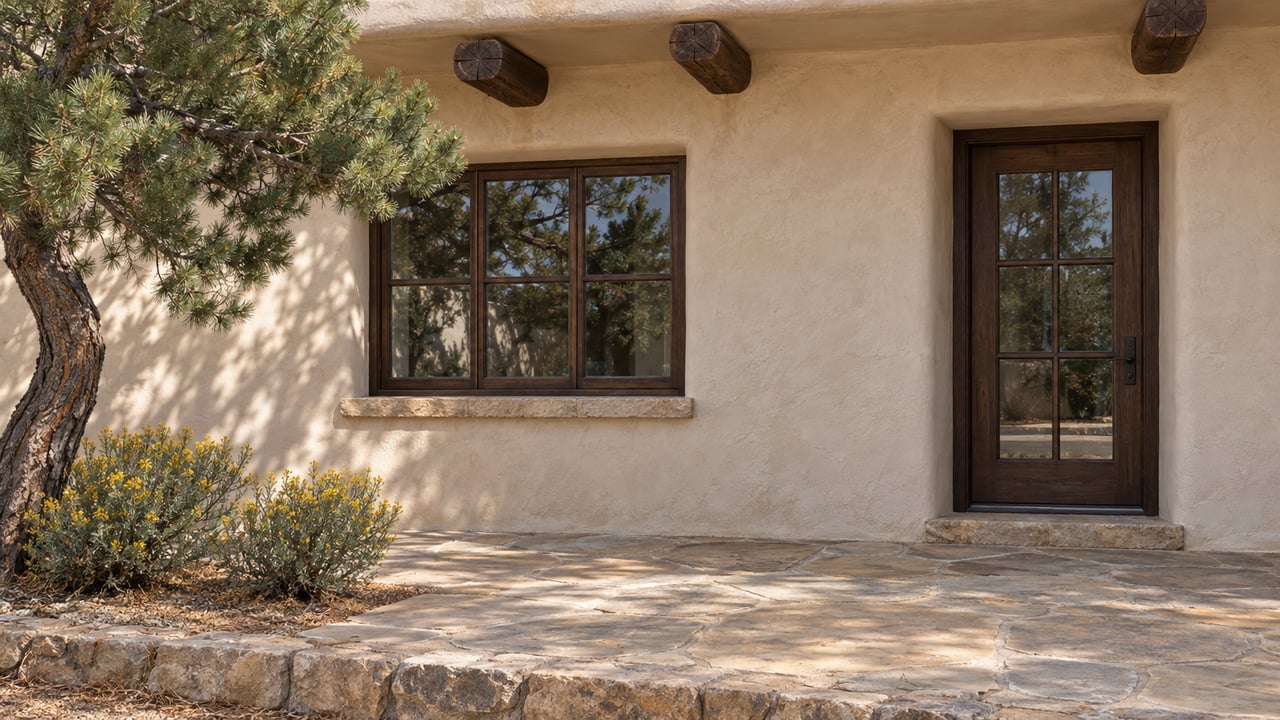
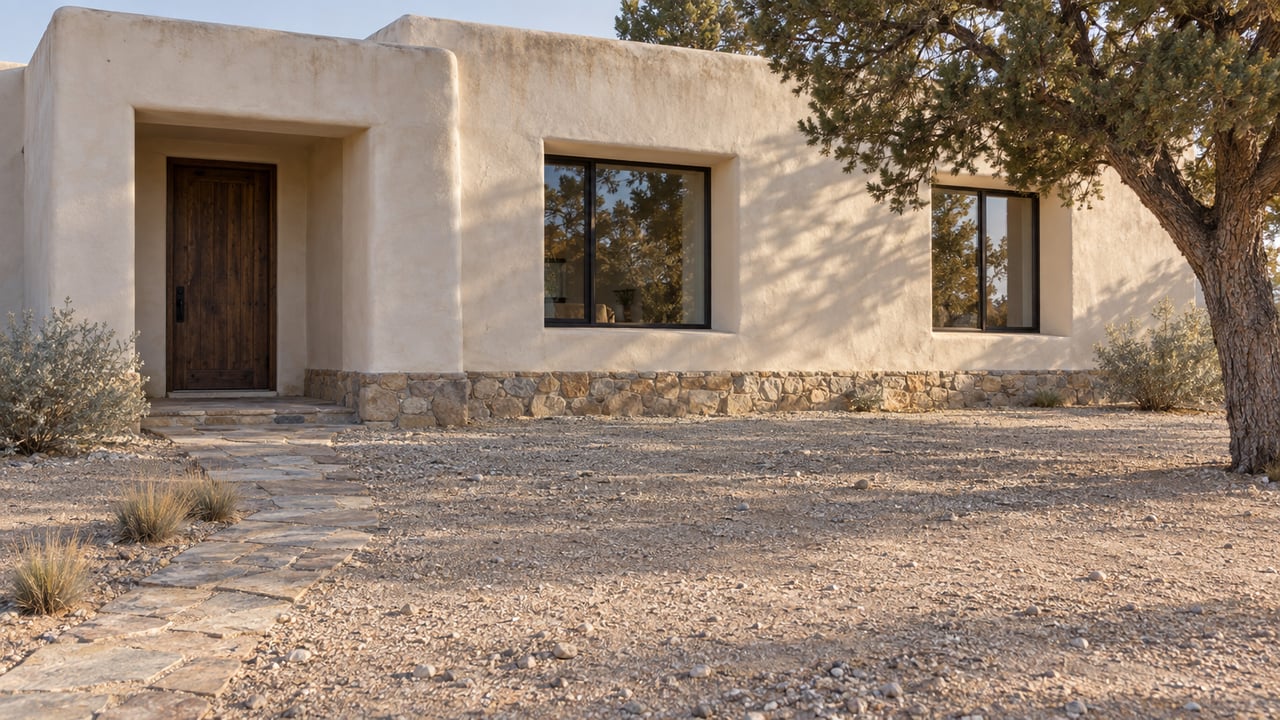
The Historic East Side is not a typical residential market. It sits within Santa Fe’s Downtown and Eastside Historic District, which includes areas such as Canyon Road, Acequia Madre, Camino del Monte Sol, and East Palace Avenue, and contains much of the city’s oldest Spanish-Pueblo and Territorial architecture.
That setting creates a market where place, architecture, and preservation matter. Buyers are often drawn not only to the home itself, but also to the surrounding streetscape, proximity to cultural destinations, and the sense of history that defines this part of Santa Fe.
Timing matters here because the market is selective. As of April 2026, Realtor.com showed 11 homes for sale in the Santa Fe Historic District, with a median listing price of $2.35 million and a median of 63 days on market. Homes also sold for about asking price on average in March 2026, which suggests buyers are engaged, but still careful.
Start with readiness, not the calendar
Many sellers ask, “When should I list?” On the Historic East Side, a better first question is, “When will my home truly be ready?” That answer often shapes your timeline more than the season itself.
If you are planning visible exterior changes before listing, historic-district review may affect your schedule. The City of Santa Fe’s Historic Preservation Division assists owners in the city’s historic districts, and modifications that cannot be approved administratively may need review through the Historic Districts Review Board.
That matters because the process takes time. The city requires an application process, and the Historic Districts Review Board meets on the second and fourth Tuesday of each month. If your listing plan depends on exterior touch-ups, gate changes, walls, windows, landscaping features, or other visible work, you will want to account for that lead time early.
Why late spring and summer get attention
Santa Fe is a destination market, and that influences when buyers are in town. A city planning report says Santa Fe hosted more than 5.3 million trips and nearly two million unique visitors in 2023, while historic downtown drew more than 5.5 million visits in 2024. Canyon Road alone drew 361,000 visits.
That level of visitor traffic matters for Historic East Side sellers. Many likely buyers are not casually driving in from a nearby suburb. They may be second-home shoppers, lifestyle buyers, or out-of-town visitors who are already in Santa Fe for art, culture, or seasonal travel.
Summer brings especially strong visibility. TOURISM Santa Fe notes that summer weekends are usually booked near capacity, and Indian Market, held on the third weekend in August, often fills rooms up to a year in advance. The city’s visitor information hours are also longer in spring and summer than in fall and winter, which reflects heavier warm-weather demand.
Santa Fe’s summer arts calendar adds another layer. The official visitors site highlights Indian Market, Spanish Market, Contemporary Hispanic Market, and the International Folk Art Market, with major activity concentrated in July and August. The Santa Fe Opera also draws audiences from around the world during the summer season.
Taken together, those patterns suggest that late spring through midsummer can be a strong exposure window for a Historic East Side listing. That does not guarantee a sale, but it can increase the chances that your home is seen by well-qualified visitors already in the market for Santa Fe’s historic and architectural appeal.
Should you wait for Indian Market?
This is one of the most common questions sellers ask. The short answer is that Indian Market can bring extraordinary visibility to Santa Fe, but waiting for that specific event is not always the best strategy.
If your home is fully prepared and priced well in late spring or early summer, you may benefit from a broader and longer exposure window rather than holding everything for one August weekend. Serious buyers often plan Santa Fe trips around the full summer season, not only around one event.
In other words, Indian Market can be part of a smart timing conversation, but it should not override readiness. A polished launch in May, June, or July may serve you better than a delayed August debut if waiting means missing weeks of prime buyer attention.
Why preparation matters more for destination buyers
Historic East Side homes often appeal to buyers who are experienced, affluent, and comfortable making quick comparisons across several properties. National data in the research report suggests today’s buyers skew older, and a notable share pay all cash. Research on second-home demand also points to a buyer pool that is often high-income, travel-oriented, and more likely to ask for concessions than during the pandemic-era surge.
For you as a seller, that means first impressions carry real weight. Some buyers may only have a short visit to Santa Fe. Others may review homes remotely before deciding which ones to tour in person.
That is why a rushed listing can underperform even in a strong visibility window. A carefully prepared home with thoughtful staging, strong photography, and a clear property story is often better positioned to connect with destination buyers who are evaluating not just square footage, but also character, provenance, and setting.
What to do before you list
On the Historic East Side, a successful sale often begins well before the sign goes up. Your pre-listing timeline should leave room for both practical and presentation-focused work.
Here are the key areas to plan for:
- Historic-district review for any visible exterior work
- Repairs and maintenance that affect presentation
- Staging or design refinement
- Professional photography
- Property narrative development
- Pricing analysis based on current district competition
This is one reason boutique, concierge-style planning matters in this market. A home with architectural significance or a strong sense of place benefits from a listing package that feels complete from day one.
Pricing is part of timing
Even in a premium district, price can affect timing just as much as seasonality. With 11 active listings and a median of 63 days on market as of April 2026, the market appears selective enough that overpricing can easily lengthen exposure.
That is especially important for historic homes. Sellers sometimes hope that provenance, craftsmanship, or a desirable lane near Canyon Road will carry pricing on their own. Those qualities absolutely contribute to value, but buyers still compare condition, presentation, and current alternatives.
A well-timed launch works best when pricing is grounded in current supply and buyer behavior. If your home enters the market at an ambitious number without support from the current landscape, you may lose the benefit of that first wave of attention.
How to present a Historic East Side home
In this part of Santa Fe, marketing should do more than list features. It should communicate why the home belongs in this setting and what makes its architecture, layout, and location meaningful.
That includes the home’s history, design details, relationship to courtyards or gardens, and connection to the surrounding district. Because the Historic East Side’s appeal is tied to preserved streetscapes and cultural proximity, the story of the home becomes part of the value proposition.
For many buyers, especially those coming from outside Santa Fe, the emotional connection starts before they ever arrive. Strong visuals, careful storytelling, and a calm, polished presentation can help your home stand out in a small but discerning field.
Can fall still be a good time to sell?
Yes, but it is usually best viewed as a secondary exposure period rather than a full replacement for the warm-season visitor surge. If you miss late spring or summer, fall can still work, especially if your home is beautifully prepared and priced with care.
The key is to stay realistic about exposure. Santa Fe’s tourism rhythm and cultural calendar suggest that warmer months bring heavier visitor flow, so fall may rely more on targeted marketing and buyer intent than on sheer seasonal traffic.
That said, a ready home in fall is often in a better position than an unfinished home waiting for the “perfect” spring. In this market, thoughtful execution usually beats idealized timing.
A practical timeline for sellers
If you want to maximize your options, start earlier than you think. Historic-district approvals, repairs, design work, and marketing preparation all take time, especially if you hope to launch into late spring or summer.
A simple planning sequence often looks like this:
| Phase | Focus |
|---|---|
| Early planning | Review goals, market position, and ideal listing window |
| Property prep | Address repairs, maintenance, and any needed exterior approvals |
| Presentation | Staging, photography, and narrative development |
| Pricing | Evaluate current district inventory and likely buyer response |
| Launch | Go live when the home and marketing package are fully ready |
The goal is not just to list during a busy season. The goal is to arrive at market with a home that feels complete, correctly positioned, and easy for buyers to understand.
If you are weighing the right timing for your Historic East Side sale, a measured strategy can make all the difference. The team at Stedman/Kehoe/Hirsch/Pollack brings neighborhood-level insight, thoughtful presentation, and discreet guidance to homes that deserve careful stewardship.
FAQs
When is the best time to list a Historic East Side home in Santa Fe?
- Late spring through midsummer may offer the strongest exposure because Santa Fe sees heavier visitor traffic, a dense summer arts calendar, and more out-of-town buyers during warm-weather months.
How much time should sellers allow for Historic East Side home preparation?
- If your home needs visible exterior work, allow extra time for Santa Fe historic-district review, since the city requires an application process and the Historic Districts Review Board meets on the second and fourth Tuesday of each month.
Should sellers wait for Indian Market to list a Historic East Side property?
- Not always. Indian Market can increase visibility, but a fully prepared home launched earlier in late spring or summer may benefit from a longer period of strong buyer exposure.
How do second-home buyers shop for Historic East Side homes?
- Many second-home and destination buyers are experienced, time-conscious, and may compare several properties quickly, so polished presentation, strong photography, and clear pricing can be especially important.
Does pricing affect the timing of a Historic East Side home sale?
- Yes. With limited inventory and a median market time of 63 days in the district as of April 2026, overpricing can reduce momentum and lengthen the time your home stays on the market.