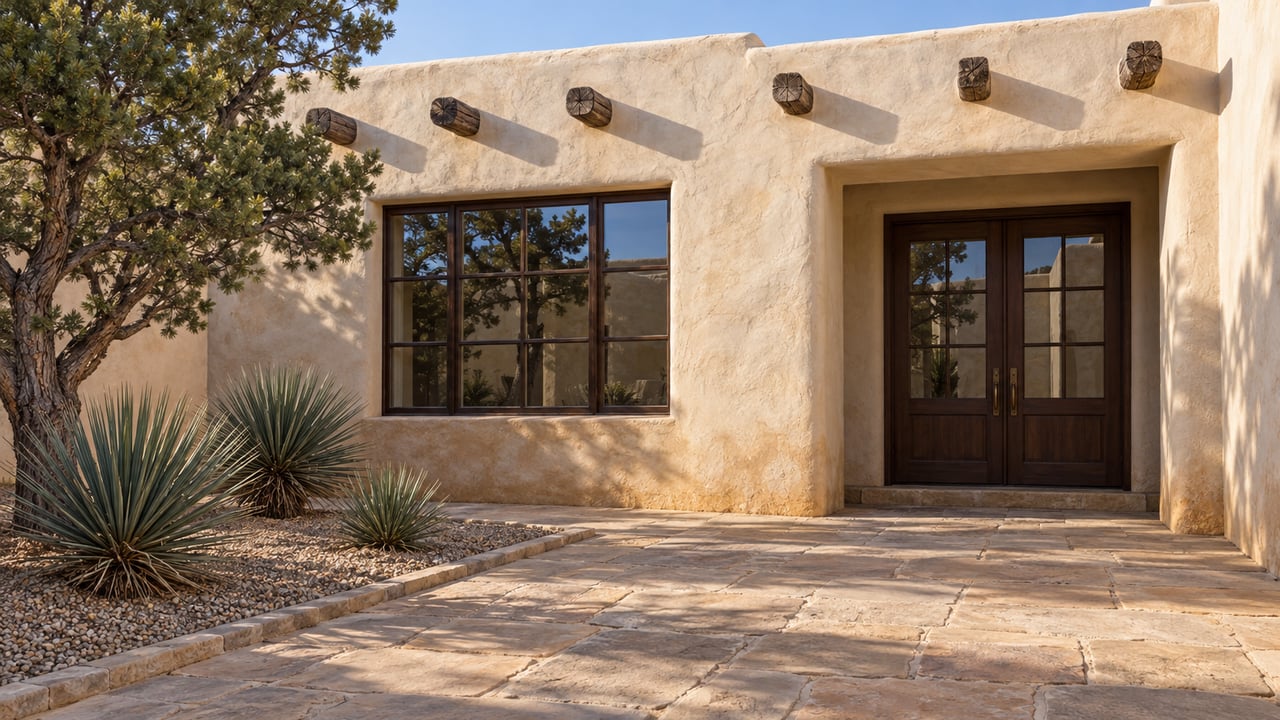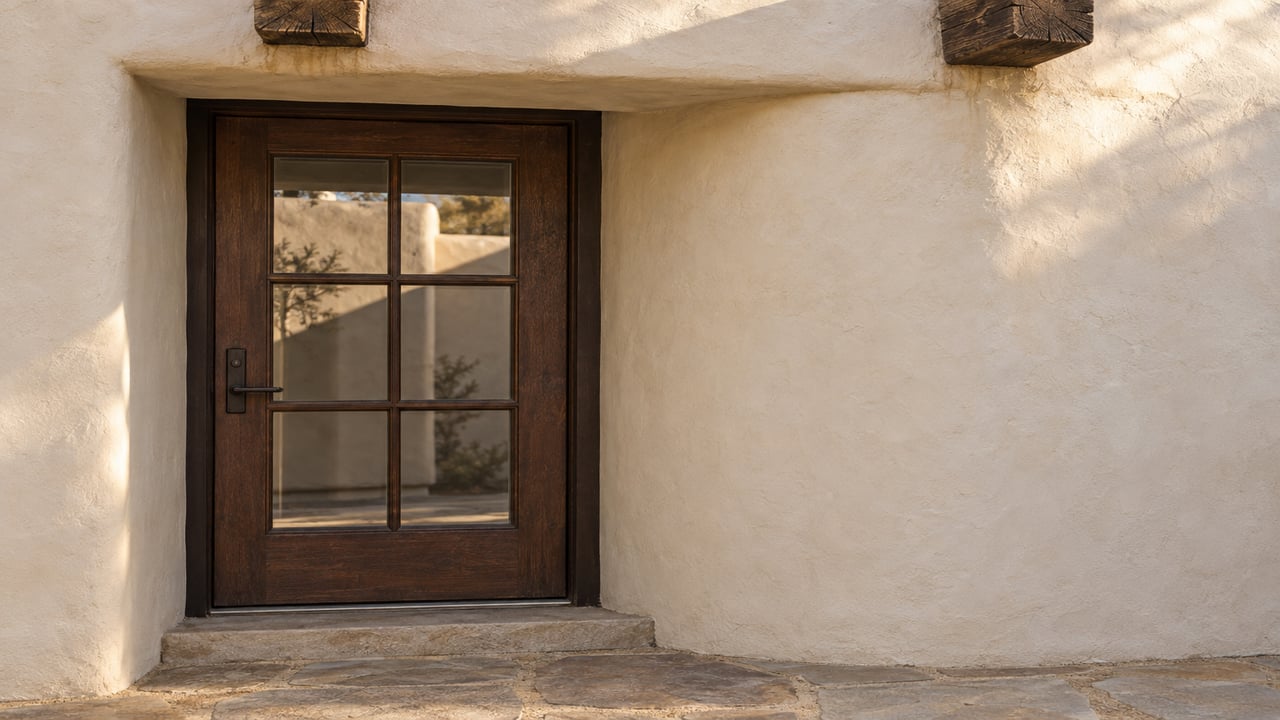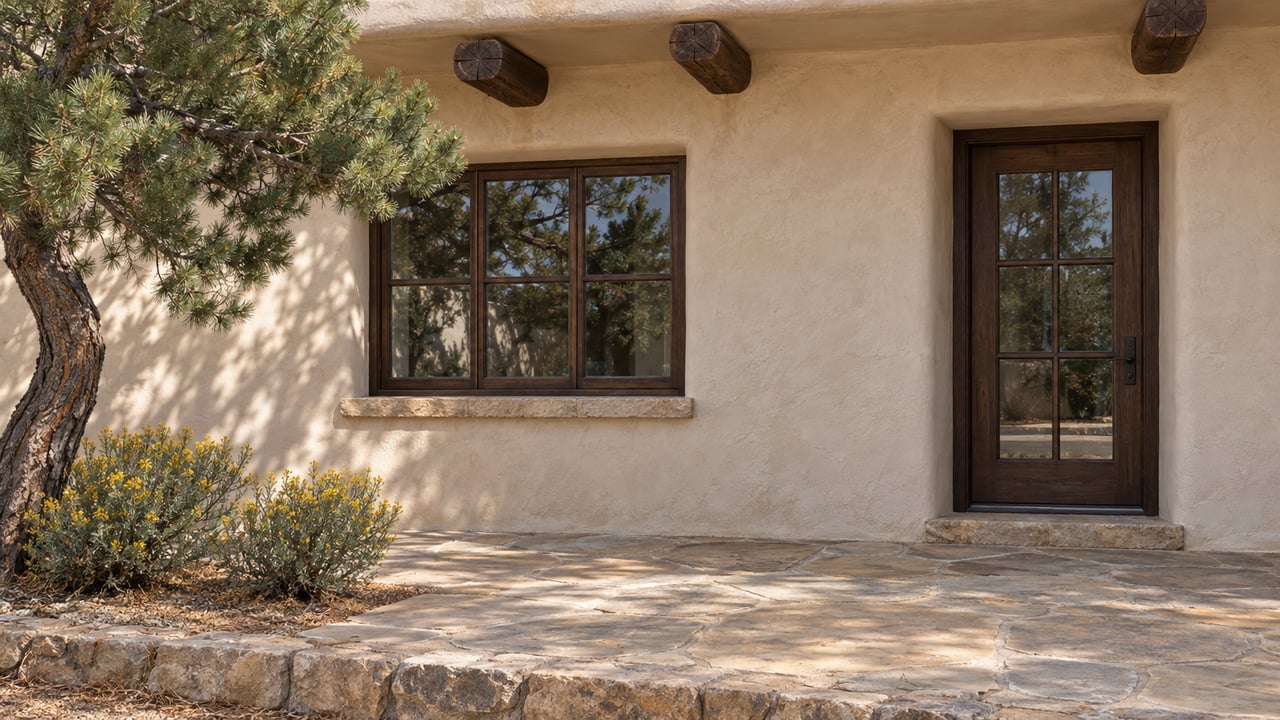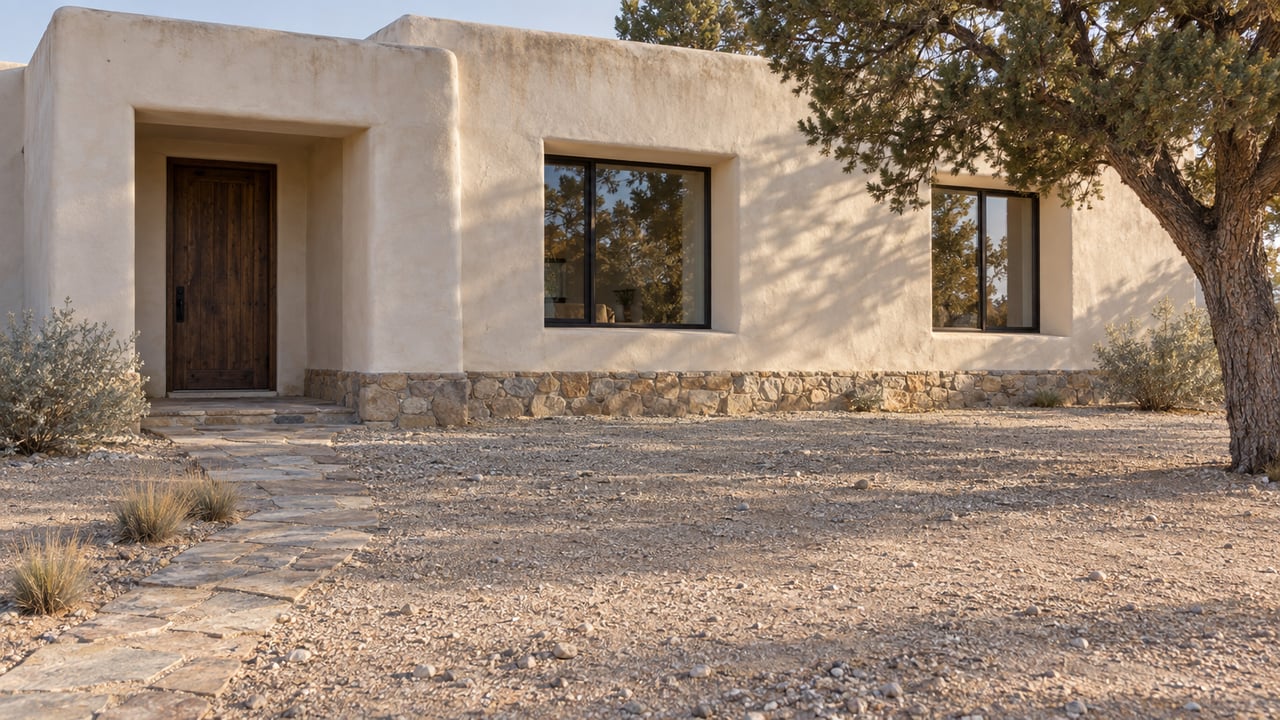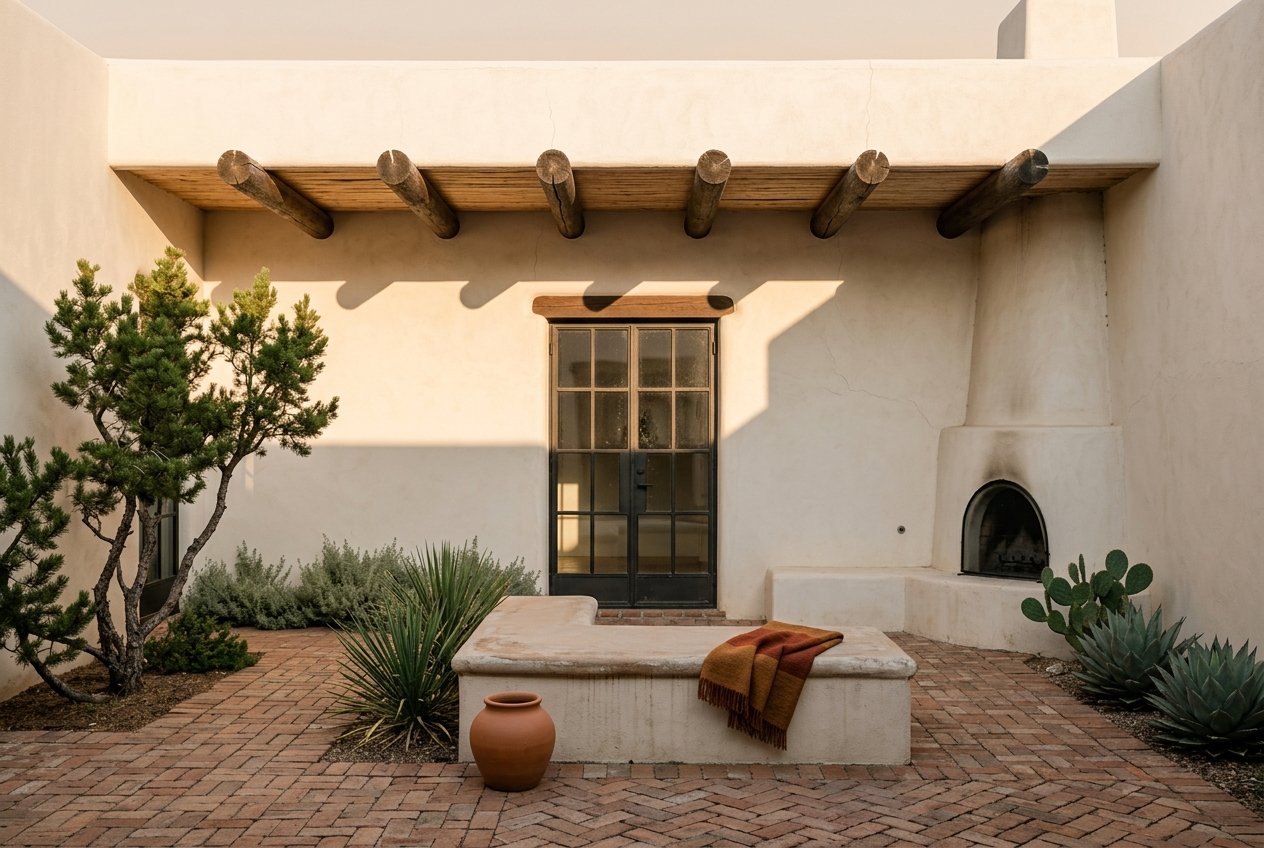
If you picture Santa Fe living as a quiet sequence of adobe walls, filtered light, and a garden room tucked behind a portal, you are already thinking like a Historic East Side buyer. In this part of town, a courtyard is often more than an outdoor feature. It is part of how the home is organized, used, and preserved. If you are considering a home here, understanding courtyard living can help you recognize what gives a property its character and what deserves a closer look. Let’s dive in.
Why courtyards matter here
Santa Fe’s Downtown and Eastside historic district includes the downtown core along with areas such as Canyon Road, Acequia Madre, Camino del Monte Sol, and East Palace. According to the City of Santa Fe and Tourism Santa Fe, this is one of the city’s oldest areas, known for narrow streets, an acequia network, plaza-centered planning, and low-slung adobe architecture shaped by Spanish Pueblo and Territorial traditions.
That context matters because courtyard living in the Historic East Side is tied directly to the area’s architectural history. Tourism Santa Fe notes that traditional homes often organized rooms around a central open space, with portales, or covered porches, framing or enclosing an exterior patio. In many homes, the courtyard is not leftover yard space. It is part of the home’s original logic.
How a courtyard home feels
In the Historic East Side, you will often find that a home reveals itself gradually. Instead of a single front-facing structure with a broad setback, the experience may unfold as a series of spaces: a gate, a portal, a walled patio, a garden court, and sometimes separate or linked buildings within one compound.
Santa Fe’s municipal code reinforces that pattern. The city identifies historic compounds as an important part of the district’s character and emphasizes preserving their historic, physical, and spatial elements. For you as a buyer, that means the layout of outdoor rooms can be just as important as square footage or bedroom count.
Architecture shapes the courtyard experience
Traditional forms in this district are expected to read as adobe or adobe-like, with matte, earth-tone finishes and a restrained palette. That visual consistency helps explain why courtyards here often feel calm, enclosed, and deeply connected to the house itself.
The city also distinguishes between traditional and more recent Santa Fe styles, and its code is clear that existing porches or portals should not be enclosed. That detail may seem small, but it speaks to a bigger point. In the Historic East Side, the open-air transition between indoors and outdoors is part of the architecture’s identity.
Why courtyards work in Santa Fe’s climate
Santa Fe’s climate helps explain why courtyard living remains so appealing. NOAA climate normals for the Santa Fe 2 station show an annual mean temperature of 50.0°F, with average temperatures around 70.5°F in July and 30.1°F in December. The same data shows annual precipitation of 12.79 inches and annual snowfall of 20.2 inches.
That mix of sun, seasonal temperature swings, summer monsoon moisture, and winter snow makes protected outdoor space especially useful. A courtyard can create a more sheltered outdoor room, with walls and portales helping moderate wind exposure and support comfortable use across much of the year.
Tourism Santa Fe also notes that traditional homes often had fewer doors and windows, which helped retain warmth in winter and keep interiors cooler in summer. Courtyards and portales fit naturally into that approach by softening the line between house and landscape.
Daily life around a courtyard
A well-designed courtyard often becomes the center of everyday living. Morning coffee under a portal, an afternoon reading spot in filtered shade, or an evening gathering in a protected garden room can feel more natural here than spreading life across a large lawn.
Because many East Side homes are low-slung and inward-oriented, the courtyard can provide privacy without feeling closed off. The best examples balance enclosure, light, and flow. You feel sheltered, but not disconnected from the sky, the seasons, or the texture of the surrounding architecture.
Landscape choices that fit the East Side
Courtyard living in Santa Fe also comes with practical landscape considerations. The City of Santa Fe’s Water Conservation Office says the city has one of the country’s lowest per-capita water-usage rates, and that annual demand has declined steadily since the 1990s because of conservation efforts. In other words, water-conscious design is part of local living.
New Mexico State University Extension recommends a xeriscape approach built around planning, efficient irrigation, mulch, soil preparation, appropriate turf, water-efficient plants, and ongoing maintenance. Its guidance also notes that patio and entry areas are natural “oasis” zones, while efficient irrigation methods such as drip systems are well suited to shrubs, trees, and perennial plantings.
For a Historic East Side courtyard, that usually points toward a simple and thoughtful palette. Gathering areas can support somewhat higher water use, while outer areas are often better suited to low-water, locally adapted plantings, gravel, and mulch.
What good courtyard design looks like
In this district, strong courtyard design usually feels quiet rather than showy. Planting, paving, walls, and shade elements should work together with the home’s scale and historic character.
That often means focusing on a few durable principles:
- Keep the most water-intensive planting closest to where you spend time
- Use mulch to help reduce evaporation and moderate soil temperature
- Favor efficient irrigation over broad-spray watering
- Treat gravel, hardscape, and planting beds as part of one composition
- Respect the property’s historic spatial pattern rather than redesigning it as a blank slate
When a courtyard works well, it feels inevitable, as though the architecture and landscape were meant to be experienced together.
What buyers should evaluate carefully
If you are considering a courtyard home in the Historic East Side, one of the most important questions is whether exterior work has been handled correctly. The City of Santa Fe says exterior work within the historic districts must be pre-approved by Historic Preservation staff. The city also notes that while some simple maintenance and repair tasks may not require a construction permit, work such as roofing, window replacement, solar panels, new or replacement mechanical equipment, re-stuccoing, and driveway construction typically does require permits.
That makes documentation especially important. If a courtyard, portal, wall, or garden structure appears to have been substantially changed, it is wise to ask when the work was done and whether the proper review and permits were obtained.
Watch for altered portals and garden rooms
Santa Fe’s code specifically states that existing porches or portals should not be enclosed. So if you see a sunroom, enclosed portal, or a heavily reworked outdoor room, it is worth understanding that change in context.
This is not just about compliance. It is also about preserving the quality that makes these homes special. A portal that remains open, shaded, and connected to the courtyard often supports the original rhythm of the property far better than a later enclosure.
Check drainage, irrigation, and excavation issues
Courtyards can feel serene, but they still need practical systems that suit the high-desert environment. Drainage, irrigation, and hardscape condition all deserve attention, especially where planting beds, walls, and paving meet.
Buyers should also be mindful of digging and major ground disturbance. Santa Fe’s Historic Preservation office administers both historic-district and archaeological-review processes, so planned excavation should be checked carefully before work begins. For many buyers, the goal is a courtyard that feels timeless and manageable, not one that depends on constant reconstruction or heavy water use.
The value of local guidance
Historic East Side homes reward careful, property-specific evaluation. Two homes may share adobe walls and a lovely courtyard, yet differ significantly in how their outdoor spaces function, how faithfully they retain historic character, and what future changes may require review.
That is where neighborhood-level knowledge matters. A thoughtful buying process looks beyond charm alone and considers spatial integrity, maintenance demands, landscape suitability, and how the home lives through the seasons.
Why courtyard homes keep their appeal
At their best, courtyard homes in Santa Fe’s Historic East Side offer a rare kind of daily experience. They combine privacy, light, architectural texture, and a strong sense of place in a way that feels both beautiful and useful.
For many buyers, that is the lasting draw. You are not simply buying a house with an outdoor feature. You are buying into a way of living shaped by history, climate, and careful design.
If you are exploring courtyard homes in Santa Fe’s Historic East Side and want a calm, knowledgeable perspective on the nuances of these properties, Stedman/Kehoe/Hirsch/Pollack can help you evaluate the details that matter most.
FAQs
What is courtyard living in Santa Fe’s Historic East Side?
- Courtyard living in Santa Fe’s Historic East Side usually refers to homes organized around protected outdoor spaces such as patios, garden courts, and portales, rather than a simple front yard and backyard layout.
Why are courtyards common in Santa Fe Historic District homes?
- Courtyards are common because Santa Fe’s traditional domestic architecture often arranged rooms around central open spaces, with portales helping connect indoor and outdoor living.
What should buyers check in a Historic East Side courtyard home?
- Buyers should check whether exterior changes were pre-approved, whether required permits were obtained for major work, and whether portals, walls, drainage, irrigation, and landscaping suit both the property’s historic character and Santa Fe’s climate.
Can you enclose a portal in Santa Fe’s Historic East Side?
- Santa Fe’s code states that existing porches or portals should not be enclosed, so buyers should review any enclosed portal or similar alteration carefully.
What landscaping works best for Santa Fe courtyard homes?
- In many cases, the best fit is a water-conscious landscape with efficient irrigation, mulch, low-water plantings beyond main gathering areas, and a design that supports the property’s historic spatial pattern.
Why does climate matter for courtyard homes in Santa Fe?
- Santa Fe’s seasonal temperature swings, summer monsoon pattern, and winter snowfall make sheltered outdoor rooms especially practical, helping courtyards function as usable spaces across much of the year.