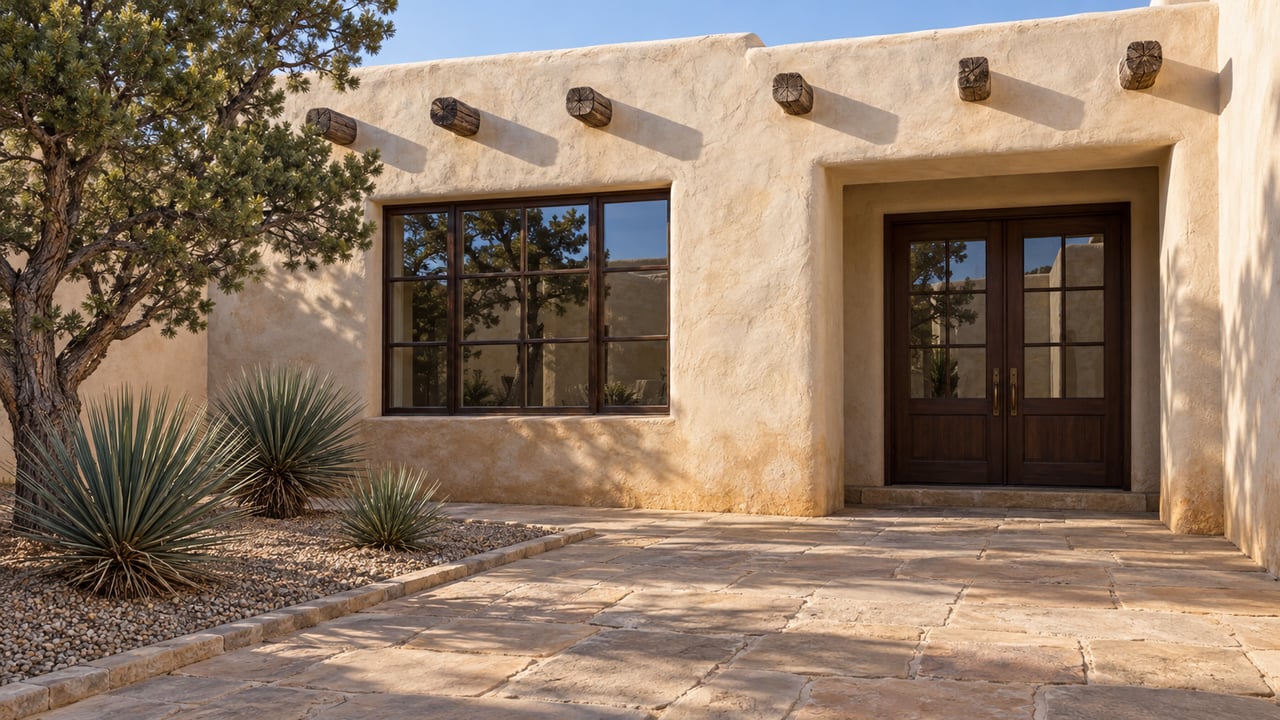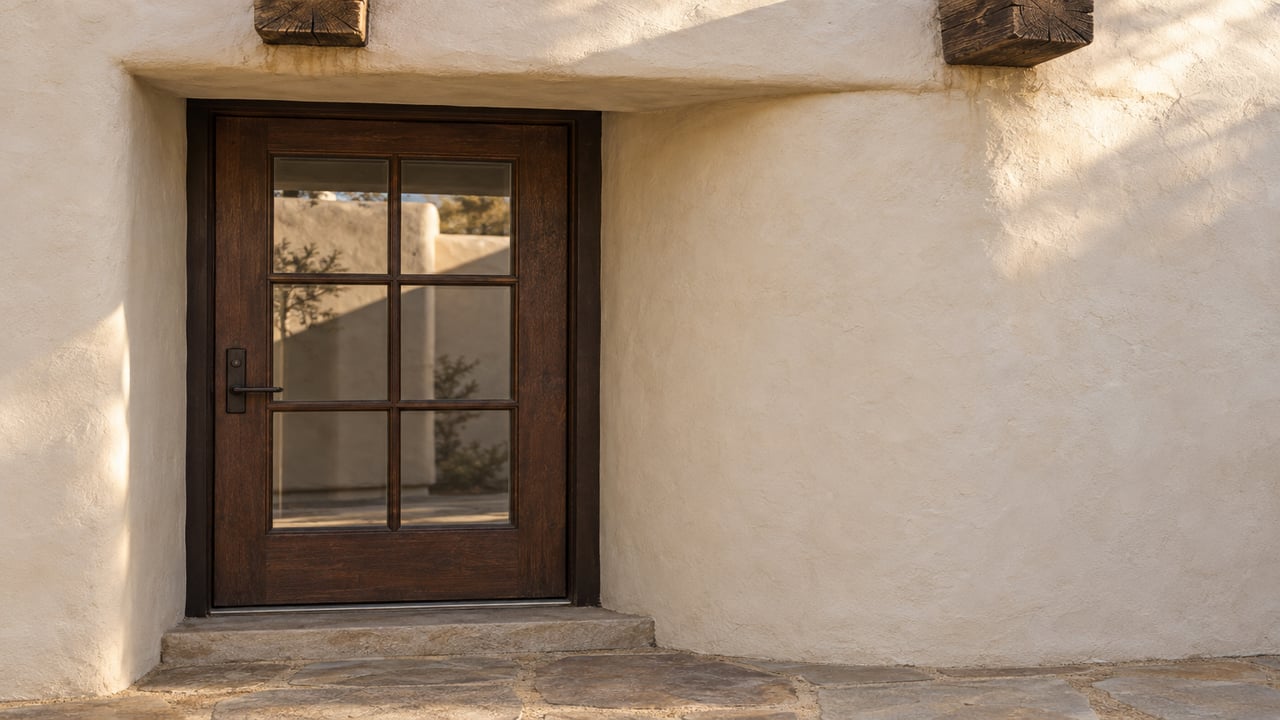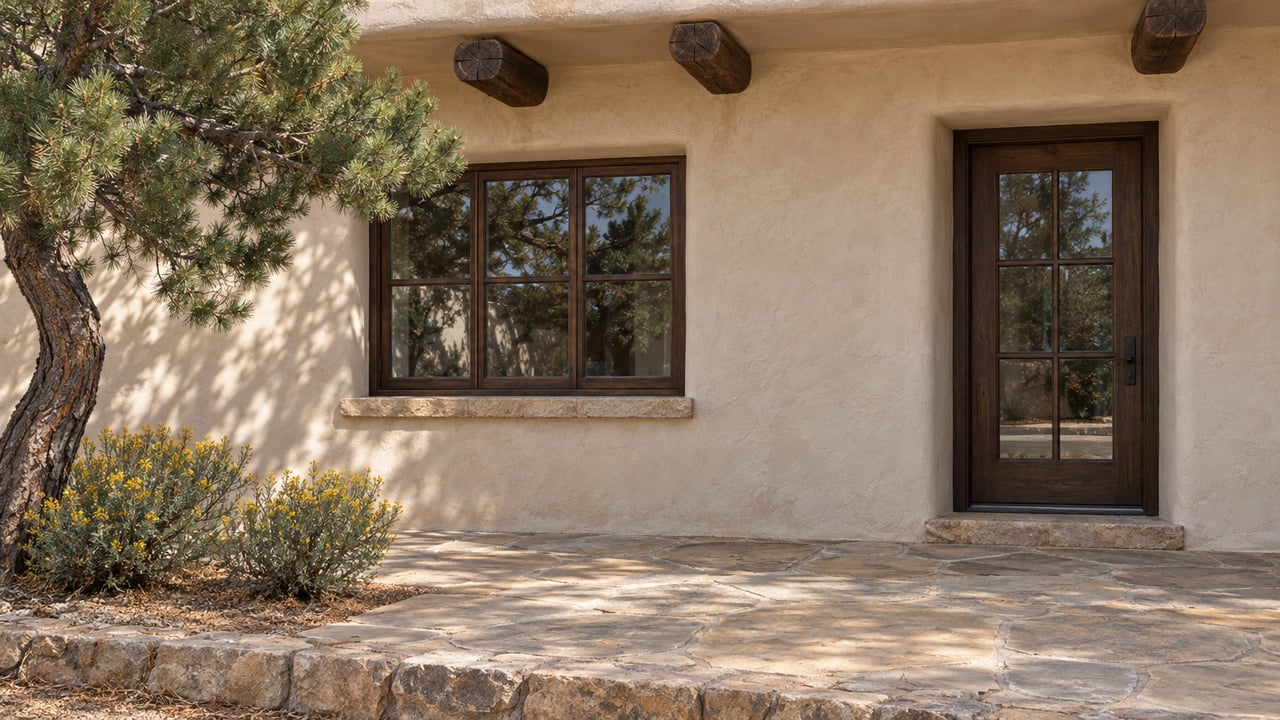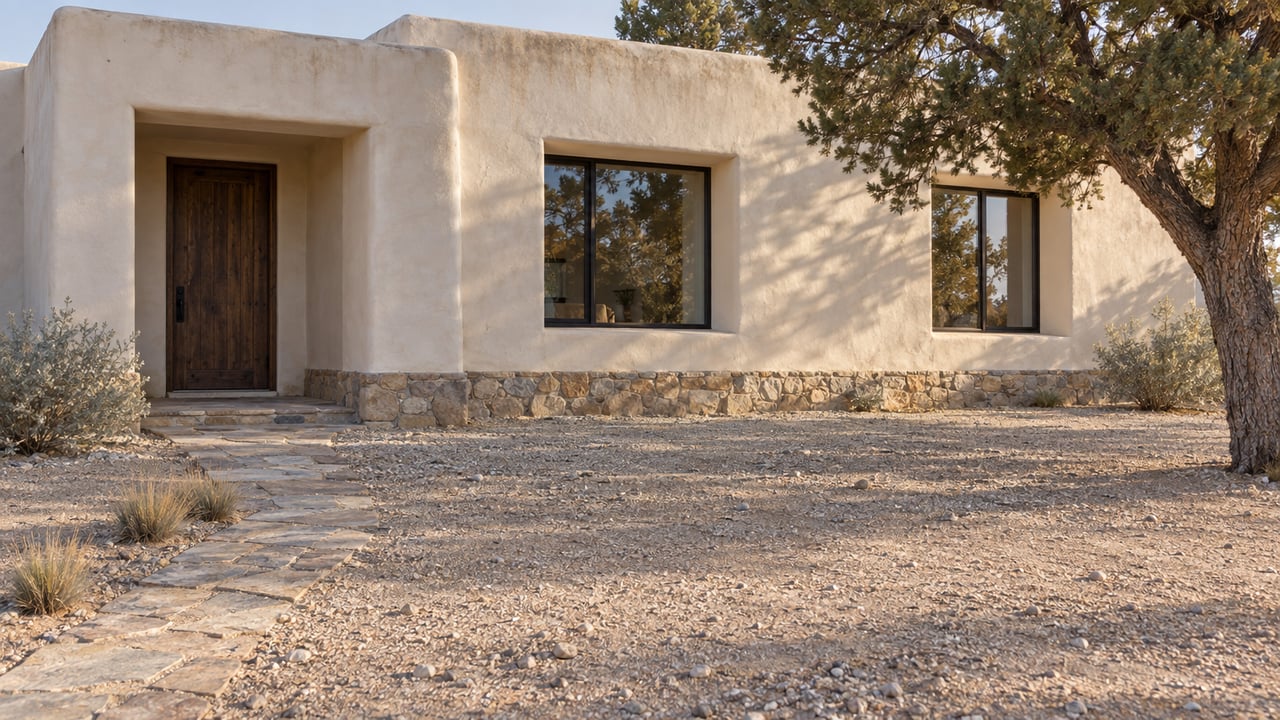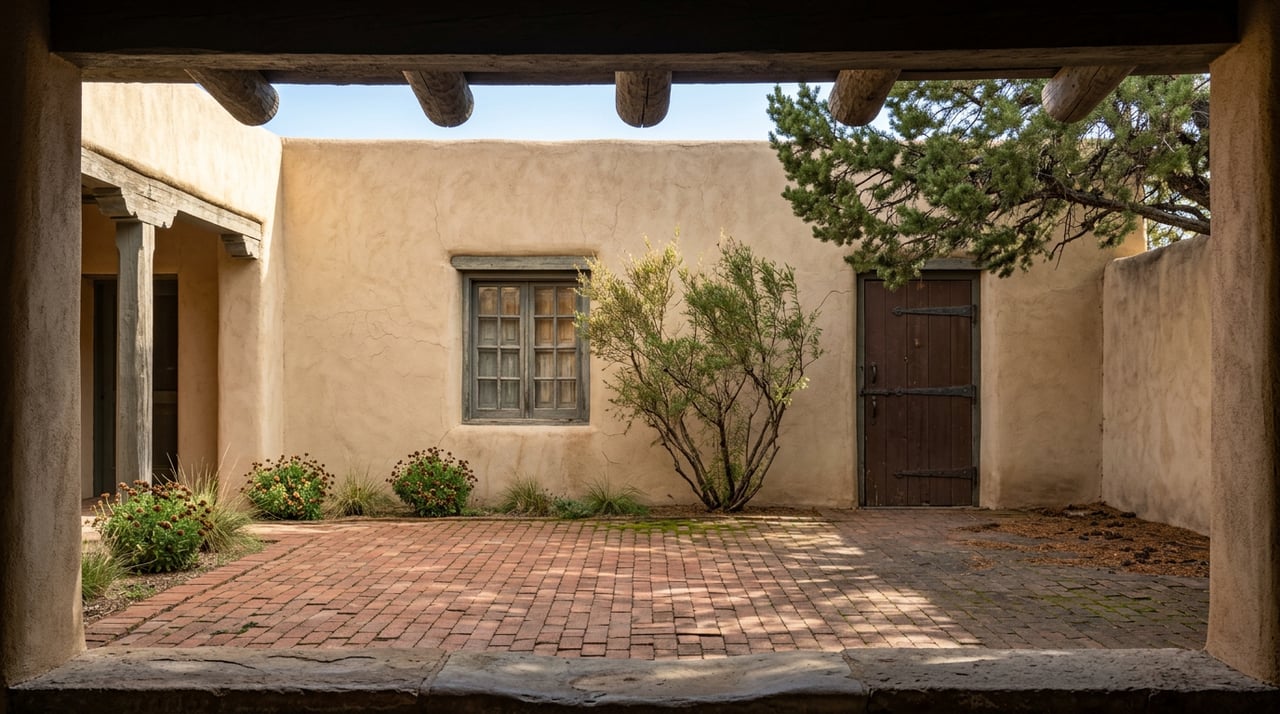
In June, The Santa Fe New Mexican reported that the new owners of the Acequia Madre House asked Santa Fe's Historic Districts Review Board to downgrade the property's historic status. They wanted to turn the 1926 Territorial Revival house, once home to three generations of the Fényes-Curtin-Paloheimo family, into a private residence, and a lower status designation would have made that renovation considerably easier. The board said no.
In that report, Jordan Young, the former director of a foundation that had operated out of the house, told The Santa Fe New Mexican that the fight "totally made a joke of preservation" in her view, though for the opposite reason the new owners might argue. Her point was that a determined party with a lawyer can tie up a process meant to serve the whole community. Either way, the lesson for anyone buying or selling on the Historic Eastside is the same: the designation attached to a historic property is not a formality that resets when the title changes hands. It is a live legal category that follows the house, and it can outlast the intentions of whoever holds the deed.
That is the piece most national homebuying guides skip entirely, and it is worth walking through in detail before you write an offer.
The Status Doesn't Reset When the Deed Does
Every property inside one of the city's five historic districts, which includes the neighborhoods most people mean when they say Historic Eastside, carries a formal designation: contributing, non-contributing, or significant. That label determines how much latitude you have to change the exterior, and it does not change just because a new buyer wants it to. The Historic Districts Review Board, which meets every second and fourth Tuesday of the month, is the body that hears those requests, and its members are not evaluating your renovation budget. They are evaluating whether a change preserves the district's character.
Recent case files from the board give a clearer picture of what this looks like in practice than any general description can. One property owner on Camino Cabra sought approval for new windows and a coyote fence, and needed two separate exceptions granted because the work touched historic material on a contributing structure. Another owner on Gormley Lane had already built a pergola, a portal, and three gates before applying for a permit, and had to bring the completed work in front of the board after the fact. A proposed new residence on Cerro Gordo Road asked for a height nearly seven feet above what the district allows. Even a hospitality company seeking a routine door relocation at a property on Don Gaspar Avenue had its case postponed because moving a door on a primary facade triggers the same review as a much larger project.
None of these are unusual requests. They are the ordinary texture of owning property here. The takeaway is not that the rules are unreasonable, but that the review process treats a contributing property's exterior as something closer to a shared civic asset than private property in the conventional sense. If you are buying with plans to add a garage, replace old windows, or build a wall taller than code allows, budget time for that conversation before you budget money for the work itself.
What a Buyer-Friendly Adobe Inspection Actually Checks
Sale-price reporting can surprise a lot of buyers moving from states where the sale price becomes public record automatically. What catches people off guard in the other direction is that the state's disclosure rules around physical condition are not relaxed at all. The standard New Mexico Association of Realtors disclosure form walks through the home system by system.
That disclosure only works if the person filling it out, and the inspector checking it, actually understands what they are looking at. True adobe, meaning sun-dried earthen brick walls typically eighteen to twenty-four inches thick, behaves nothing like the stucco-over-frame construction that has become common in newer builds designed to look the same from the street. Adobe fails from water, not age. Moisture wicking up from the ground, a parapet that does not drain correctly, or a coat of Portland cement stucco applied over an older wall that needs to breathe with lime or mud plaster instead, these are the conditions that turn a cosmetic crack into a structural one. A general home inspector trained on conventional framing may not know to press on a wall to check for a hollow sound, or to look closely at where a viga meets the roofline for rot.
If you are buying a historic adobe, hire an inspector with specific adobe experience, not just local experience. Ask them directly whether they have inspected true adobe before, and have them focus on the wall base, the roof drainage, and the plaster finish. If the answer reveals moisture damage, that is a legitimate negotiating point. A hairline stucco crack with no moisture behind it usually is not.
The Rental Income in the Listing May Not Convey
Here is the mechanism that catches even experienced buyers off guard. If a property you are considering has operated as a short-term rental, and the listing leans on that income history, do not assume the permit comes with the house.
BNBCalc reports that the city caps residential short-term rental permits at 1,000 citywide, and each permit is tied to a natural person rather than the property itself. The citywide cap, the fifty-foot spacing rule that prevents two permitted rentals from operating too close together, and a limit of roughly forty-four reservations a year for permits in residential zones are all worth checking. As of 2026, the first-year fee runs $425, with a $325 renewal each year after, and historic districts carry additional review on top of the standard process.
In practice, this means the income a seller shows you may reflect a permit that dies at the closing table. If your offer is priced with rental income in mind, verify independently through the city's short-term rental office whether a permit is currently active, whether the address has room under the spacing rule, and whether the citywide cap has room left before you count on that revenue continuing under your ownership.
Before You Write an Offer on an Eastside Adobe
A short list worth going through with your agent before an offer, not after:
- Ask the city's Historic Preservation Division for the property's current designation and whether any application, exception request, or violation is pending on file.
- Request records of all past exterior work, and confirm it was permitted. Unpermitted additions surface eventually, and the Gormley Lane case shows the board does require after-the-fact review.
- Hire an inspector who has specifically worked on adobe structures, not a general home inspector, and have them focus on moisture at the wall base and roof parapet.
- If rental income is part of your math, confirm the short-term rental permit status directly with the city rather than relying on the listing history.
- Budget for periodic re-plastering and roof maintenance as an ongoing cost of ownership, not a one-time repair.
The Acequia Madre House will likely sell to someone eventually, either as it stands or after a long negotiation with the review board over what it can become. Whoever buys it will own the same house whose historic status the previous owners asked the board to downgrade. That is the real lesson of the Historic Eastside. The house you are buying is only part of the transaction. The designation, the permit history, and the rights attached to the address are all worth checking before you write an offer.
If you are weighing a purchase or a sale in this district and want a clear read on what a specific property's status actually allows, Stedman/Kehoe/Hirsch/Pollack has spent years working these streets and knows how the review board treats individual cases. Request a private consultation before you write an offer, not after.
This article is general information, not legal, tax or financial advice. Consult a qualified professional about your situation.