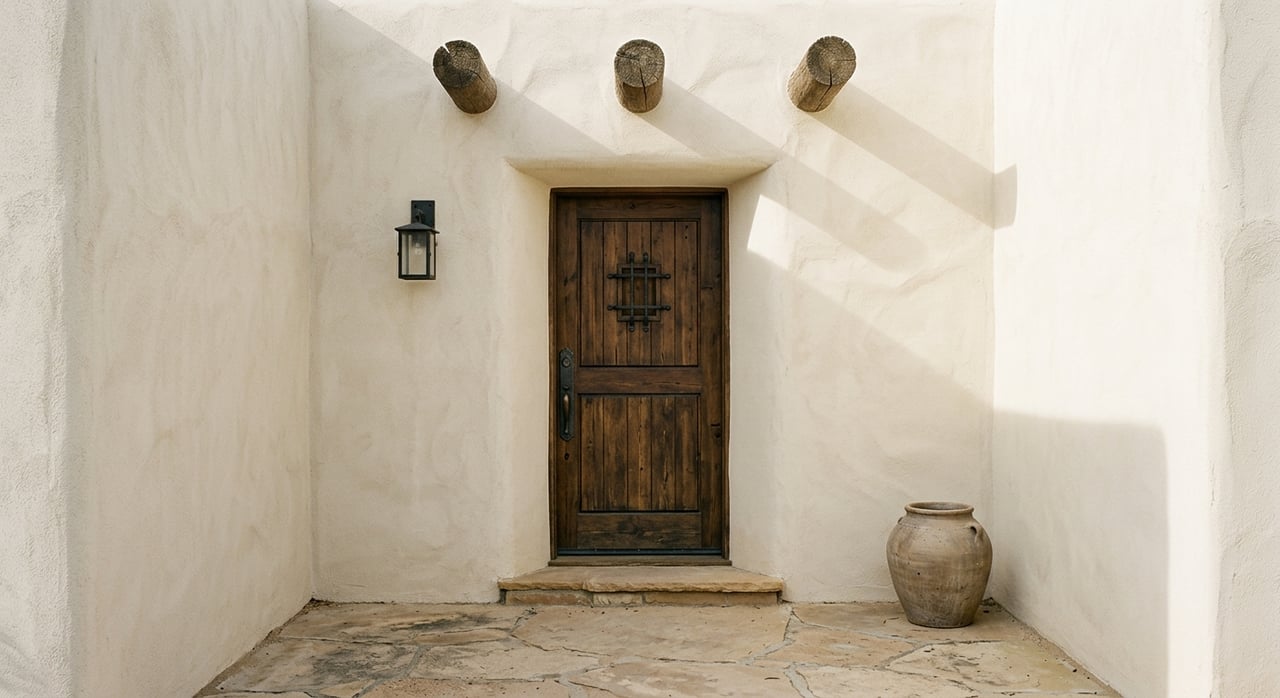
If you plan to sell a home in South Capitol, preparation matters just as much as timing. In Santa Fe’s 87501 historic core, buyers often respond to more than square footage alone. They notice condition, presentation, and whether a home’s original character has been respected. With the right pre-listing plan, you can improve first impressions, protect historic integrity, and position your property for a stronger market debut. Let’s dive in.
Why South Capitol Prep Matters
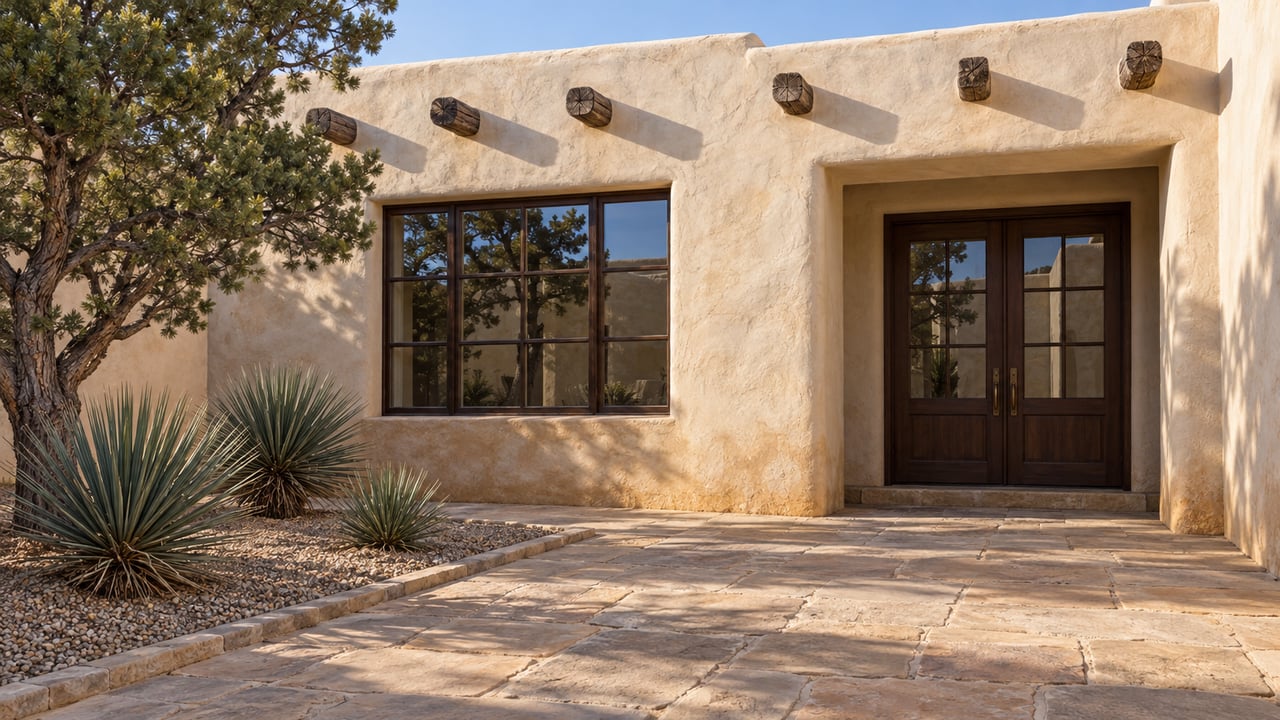
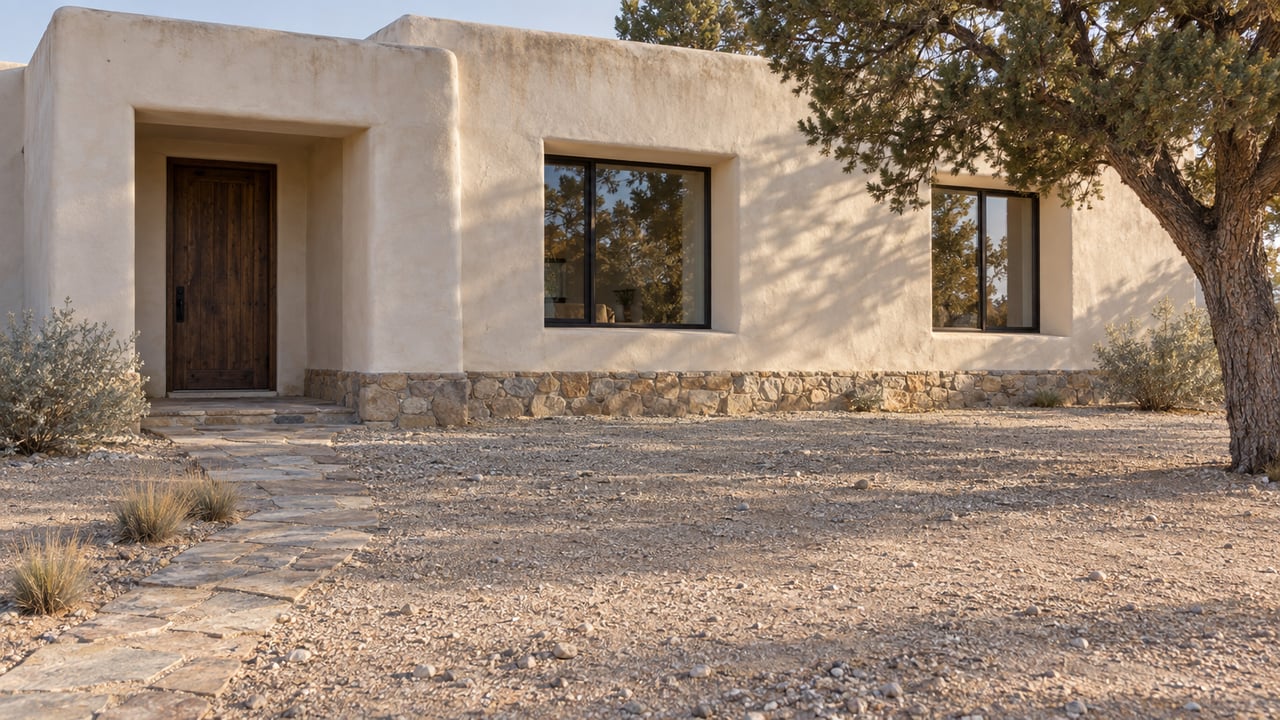
South Capitol, including the Don Gaspar area, is one of Santa Fe’s most design-sensitive settings. According to City of Santa Fe historic district materials, the area developed largely from 1890 to 1930 and includes Spanish-Pueblo Revival, bungalow, Mission Revival, Territorial Revival, Prairie, and Italianate Bracketed styles.
That architectural range is part of what gives the neighborhood its appeal. Tree-lined streets, walls and fences, and a tight historic street grid all shape how buyers experience a property. In a setting like this, thoughtful preparation is not about making a home look generic. It is about helping it feel well cared for, authentic, and ready for its next owner.
Start With Historic District Rules
Before you schedule exterior work, confirm whether your property falls within a local historic district. The City of Santa Fe Historic Preservation Division states that owners in one of the city’s five historic districts must file a Historic Districts Application Form for modifications.
Some projects may be approved administratively, especially general maintenance or minor alterations. Other changes may require review by the Historic Districts Review Board. This is especially important in areas like Don Gaspar, where physical changes are closely watched.
Exterior Changes to Check First
If you are thinking about exterior updates before listing, pause before starting work. City guidance specifically notes review of changes tied to historic integrity, including:
- Additions
- Wall construction
- Fence construction
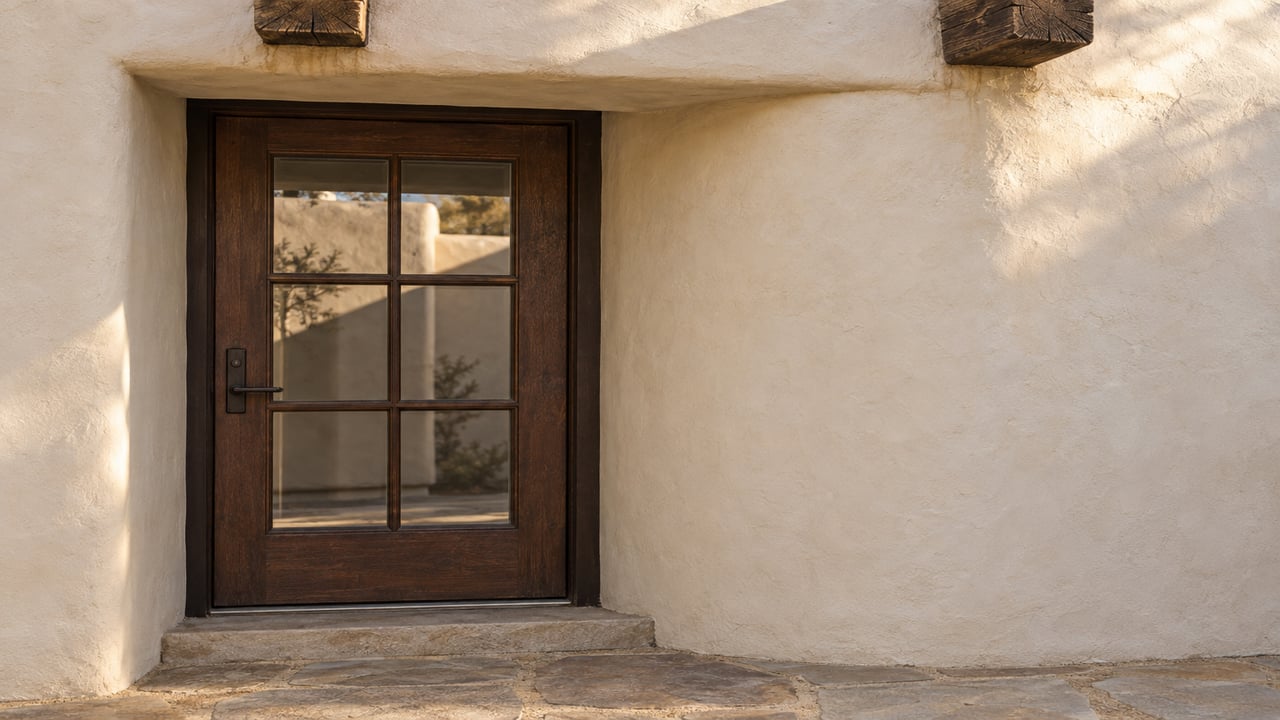
- Door replacement
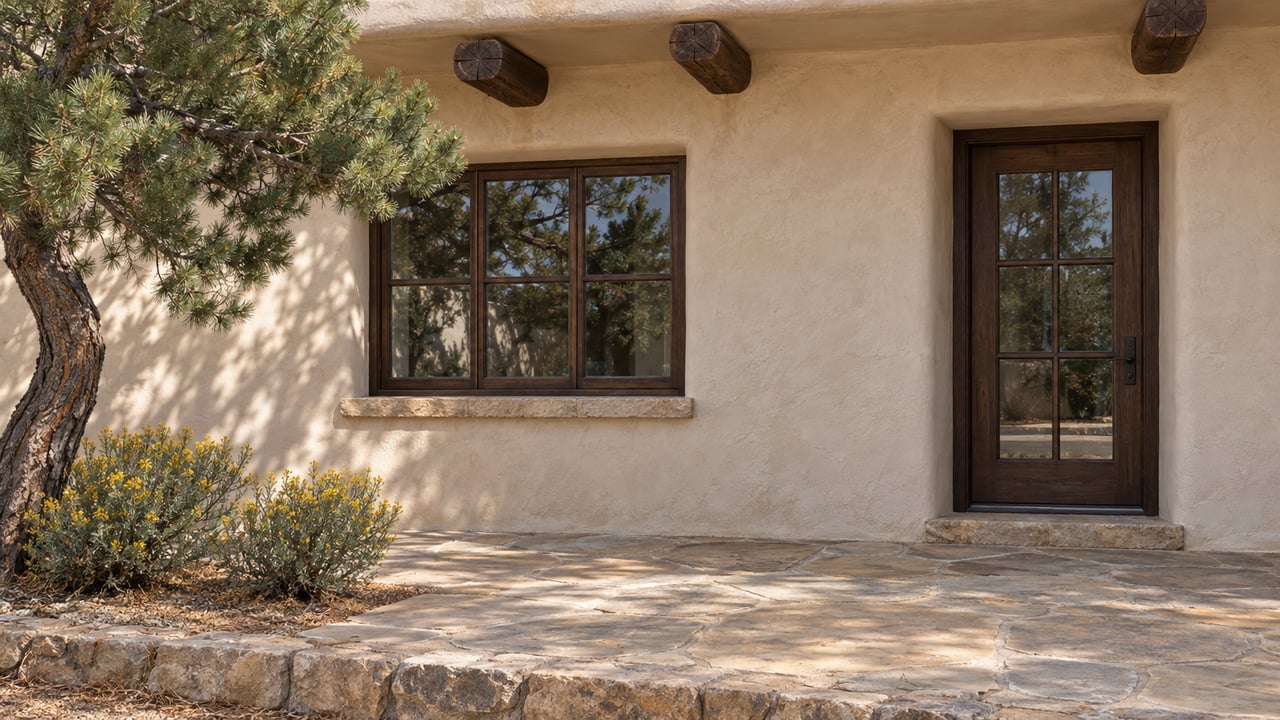
- Window replacement
For many sellers, this is one of the most important early steps. It can help you avoid delays, extra costs, or changes that do not support the home’s value in a historic neighborhood.
Focus on Repairs Buyers Notice
Not every upgrade improves your sale outcome. In many cases, the strongest return comes from simple work that improves how the home looks and feels the moment a buyer walks in.
NAR’s staging research shows that agents commonly recommend decluttering, fixing property faults, professional cleaning, carpet cleaning, painting, and landscaping before listing. These items are often the fastest route to a better first impression.
In South Capitol, that approach matters even more. Buyers are often drawn to original details, mature landscaping, plaster surfaces, portals, and courtyard connections. Visible defects can distract from those strengths, while clean, compatible repairs help the home’s character come forward.
Best Pre-Listing Priorities
Start with practical, buyer-facing improvements such as:
- Decluttering interior spaces
- Repairing visible faults
- Deep cleaning the home
- Cleaning carpets if needed
- Refreshing paint where appropriate
- Improving landscaping and curb appeal
These are usually more effective than broad modern remodels. In a historic setting, preserving the home’s architectural language often matters more than trying to erase it.
Avoid Over-Improving Historic Homes
A premium sale does not always require a major renovation. In fact, in South Capitol and Don Gaspar, too much modernization can work against the home if it weakens the features that make it distinct.
The better strategy is often selective improvement. Address deferred maintenance, remove distractions, and present the property as cared for and coherent. When a home feels authentic and well maintained, buyers can better appreciate the craftsmanship and setting.
What “Enough” Usually Looks Like
For many sellers, enough means:
- Repairing what looks worn, broken, or neglected
- Freshening surfaces without stripping away original character
- Making the home feel clean, functional, and easy to understand
- Preserving materials and design elements that support its historic identity
That can be especially important in a neighborhood where architectural provenance contributes to appeal.
Stage the Rooms That Matter Most
Staging does not mean filling every room with furniture. It means helping buyers understand how the home lives and where its best moments are.
According to the 2025 Profile of Home Staging from NAR, 83% of buyers’ agents said staging made it easier for buyers to visualize the property as a future home. The same report found that the most important rooms to stage were the living room, primary bedroom, and kitchen.
Sellers’ agents most often staged the living room, primary bedroom, dining room, and kitchen. Outdoor space also matters, especially in Santa Fe, where courtyards, portals, and gardens often extend the living experience.
Priority Spaces for South Capitol Sellers
If you want to focus your effort, prioritize:
- Living room
- Primary bedroom
- Kitchen
- Dining room
- Outdoor entertaining or garden areas
In South Capitol, staging should feel restrained and intentional. The goal is to support the home, not compete with it. Appropriately scaled furnishings, a calm palette, and a light editorial touch can help adobe walls, plaster finishes, wood details, and garden views stay central.
Invest in Visual Marketing
Once the home is prepared, presentation has to carry through online. Buyers often form their first impression before they ever schedule a showing.
The same NAR staging profile found that buyers’ agents rated photos as highly important, along with videos and virtual tours. For a premium listing, these tools are not extras. They are part of how you communicate value, layout, and atmosphere.
What to Have Ready Before Launch
Before your home goes live, plan for:
- Professional photography
- Property video
- Virtual tour
This is especially useful for Santa Fe’s destination and second-home audience, who may begin their search from outside the area. Strong visuals can help your home stand out while giving buyers a clearer sense of space, light, and lifestyle.
Time Your Sale Carefully
Preparation and timing work together. Even a beautifully presented home can lose momentum if it launches into a softer market period.
In the Santa Fe Association of Realtors Q2 2025 market report, Santa Fe City and County single-family homes recorded 684 new listings, 403 pending sales, 51 days on market, a median sales price of $717,473, and 5.1 months of inventory. By Q4 2025, single-family days on market had risen to 64, inventory stood at 447 homes, and the median sales price was $710,000.
That pattern suggests many sellers may benefit from preparing ahead of the spring market rather than waiting until later in the year. National timing studies point in a similar direction. Realtor.com’s analysis of the best time to sell identified a spring launch window as especially favorable, with potential advantages for sellers in the West.
A Smarter Listing Window
If your timing is flexible, consider this sequence:
- Begin planning and property review early.
- Handle historic district questions before exterior work starts.
- Complete repairs, cleaning, and landscaping.
- Stage the highest-impact rooms.
- Capture photography, video, and virtual tour.
- Aim for a spring or early-summer debut when possible.
This kind of pacing can help you avoid a rushed launch and present the home at its best.
Follow a Premium Prep Sequence
For South Capitol sellers, a calm, orderly process usually works better than trying to do everything at once. A premium result often comes from smart editing, preservation-aware decision-making, and disciplined presentation.
A practical preparation plan looks like this:
- Verify whether the home is in a historic district and whether exterior changes require city review.
- Address visible maintenance issues first.
- Clean, declutter, and refresh the home.
- Stage the rooms and outdoor areas that shape buyer perception most.
- Complete professional visual marketing before launch.
- Choose a market window that supports demand when possible.
This approach helps you focus budget and energy where they are most likely to matter.
The Advantage of Local Guidance
Selling a South Capitol home is rarely a one-size-fits-all process. Historic context, architectural detail, buyer expectations, and launch timing all shape the strategy.
That is why local, neighborhood-level guidance can be so valuable. From deciding which repairs to stop short of, to preparing a home with design sensitivity, to pricing against nearby historic comparables, the right support can help you protect both character and market position.
If you are considering a sale in South Capitol or Don Gaspar, Stedman/Kehoe/Hirsch/Pollack can help you prepare your home with the kind of calm, detailed strategy that premium properties deserve.
FAQs
Do South Capitol homeowners need city approval before exterior changes?
- If your property is in a Santa Fe historic district, exterior modifications may require review through the city’s Historic Preservation Division before work begins.
Which repairs matter most before listing a South Capitol home?
- The highest-priority items are usually visible repairs, decluttering, professional cleaning, paint refreshes where appropriate, and landscaping that improves first impressions.
Should you replace windows or doors before selling a Don Gaspar home?
- In historic districts, window and door replacement can be reviewed for historic integrity, so you should check the city process before making those changes.
Which rooms should you stage for a premium Santa Fe sale?
- Focus first on the living room, primary bedroom, kitchen, dining room, and outdoor spaces, since those areas tend to shape buyer perception most strongly.
When is the best time to list a South Capitol home?
- If you have flexibility, spring or late spring may offer a stronger launch window, especially if you use the months before listing to prepare the home carefully.